
- All
- Adelante Book Club
- Entrepreneurs
- From the Field
- Global Issues
- Main Posts
- News from Honduras
- Staff & Board
Iveth’s Investment
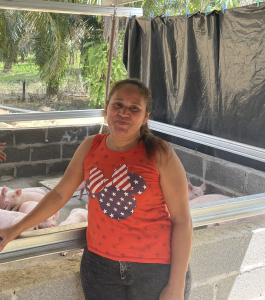

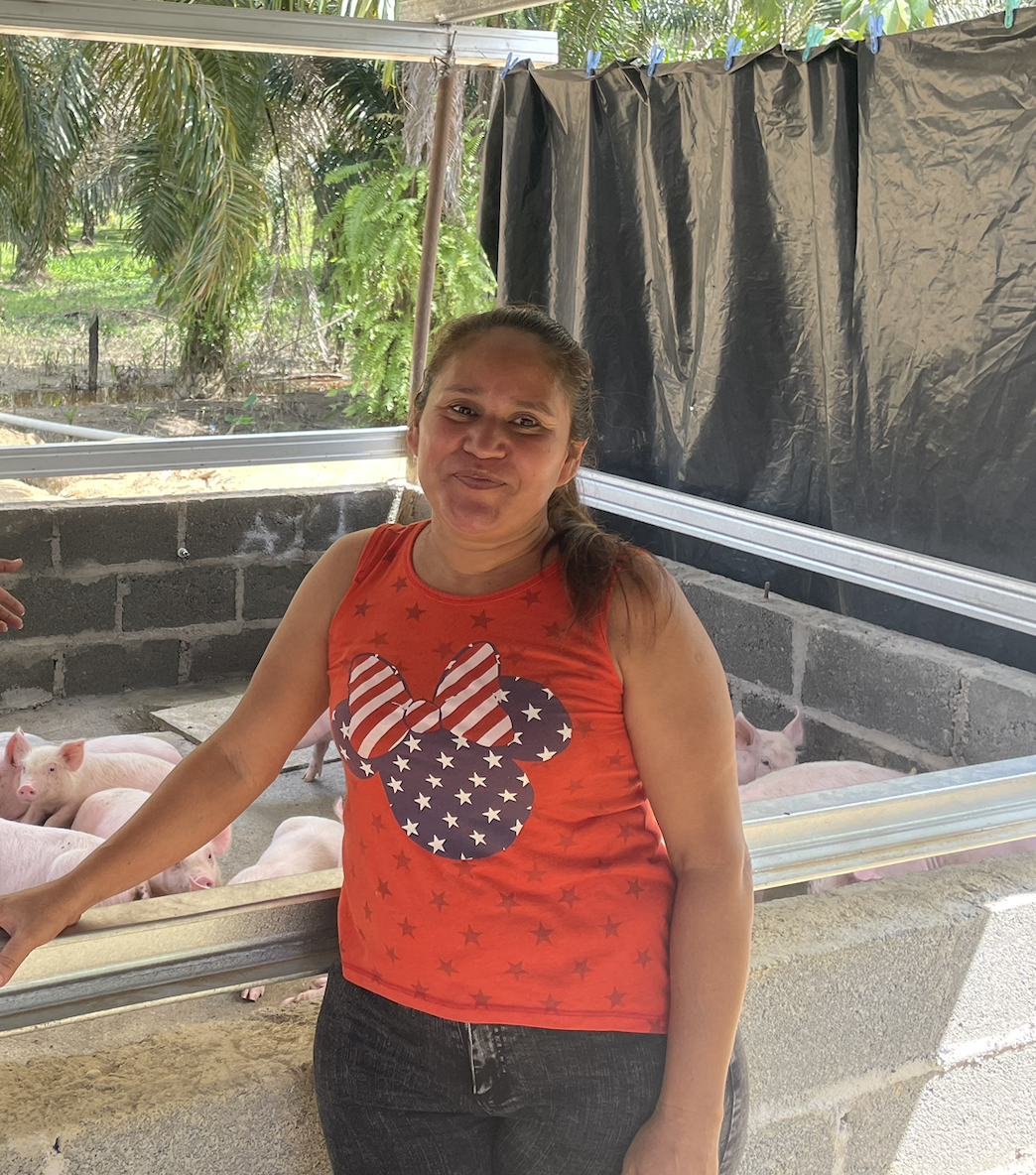
Down a narrow dirt road outside the rural community of Zoilabe, near Tela, Iveth Geraldina Garcia Herrera has built something… more
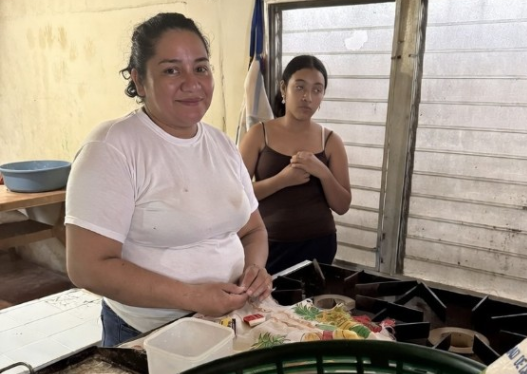
At the Adelante Foundation, we see every day what happens when women gain access to financial tools and support: they… more
How Women Entrepreneurs Lead the Way
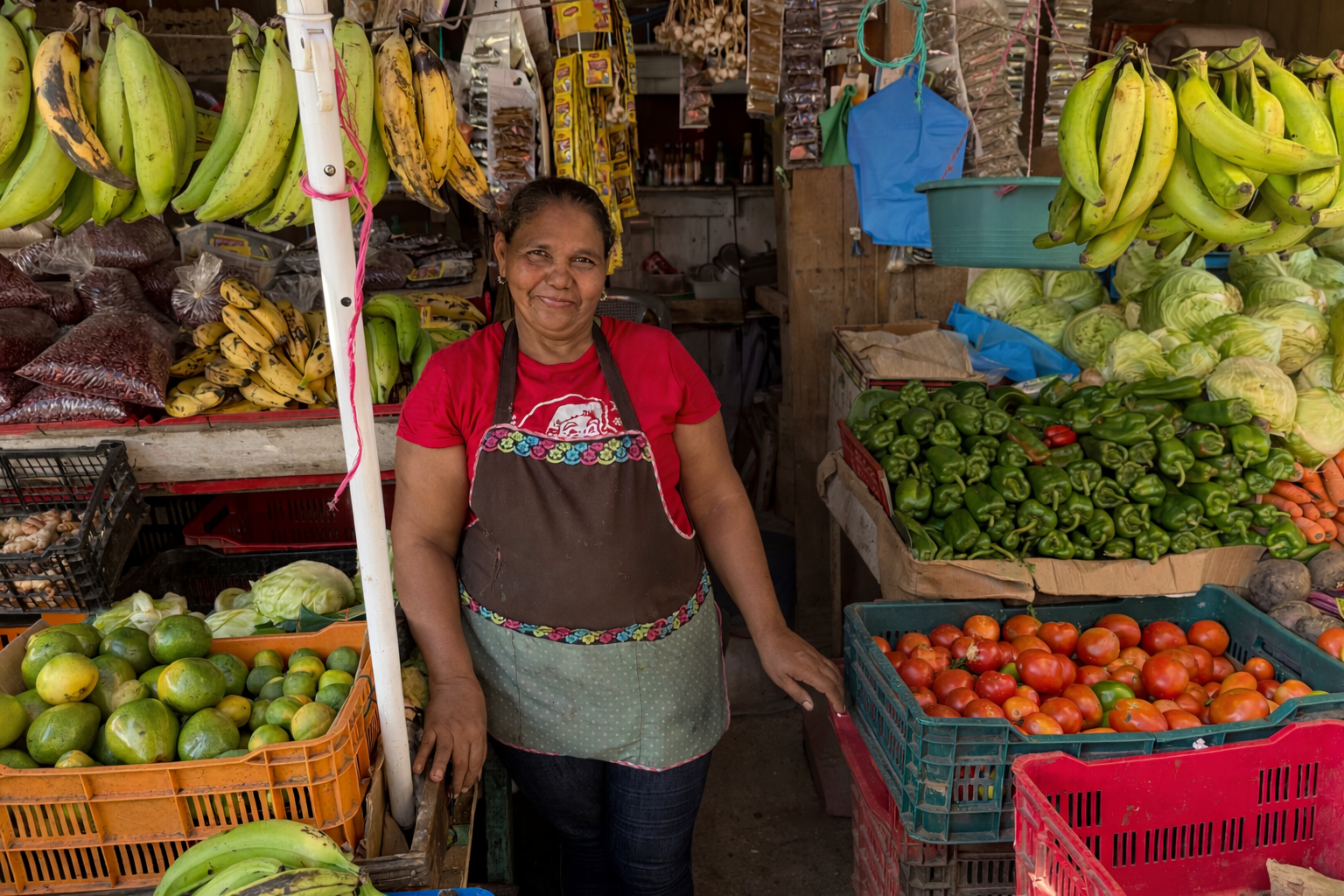
In many underserved communities, poverty isn’t just a short-term challenge—it’s a cycle passed from one generation to the next. Without… more
Microfinance vs. Traditional Charity
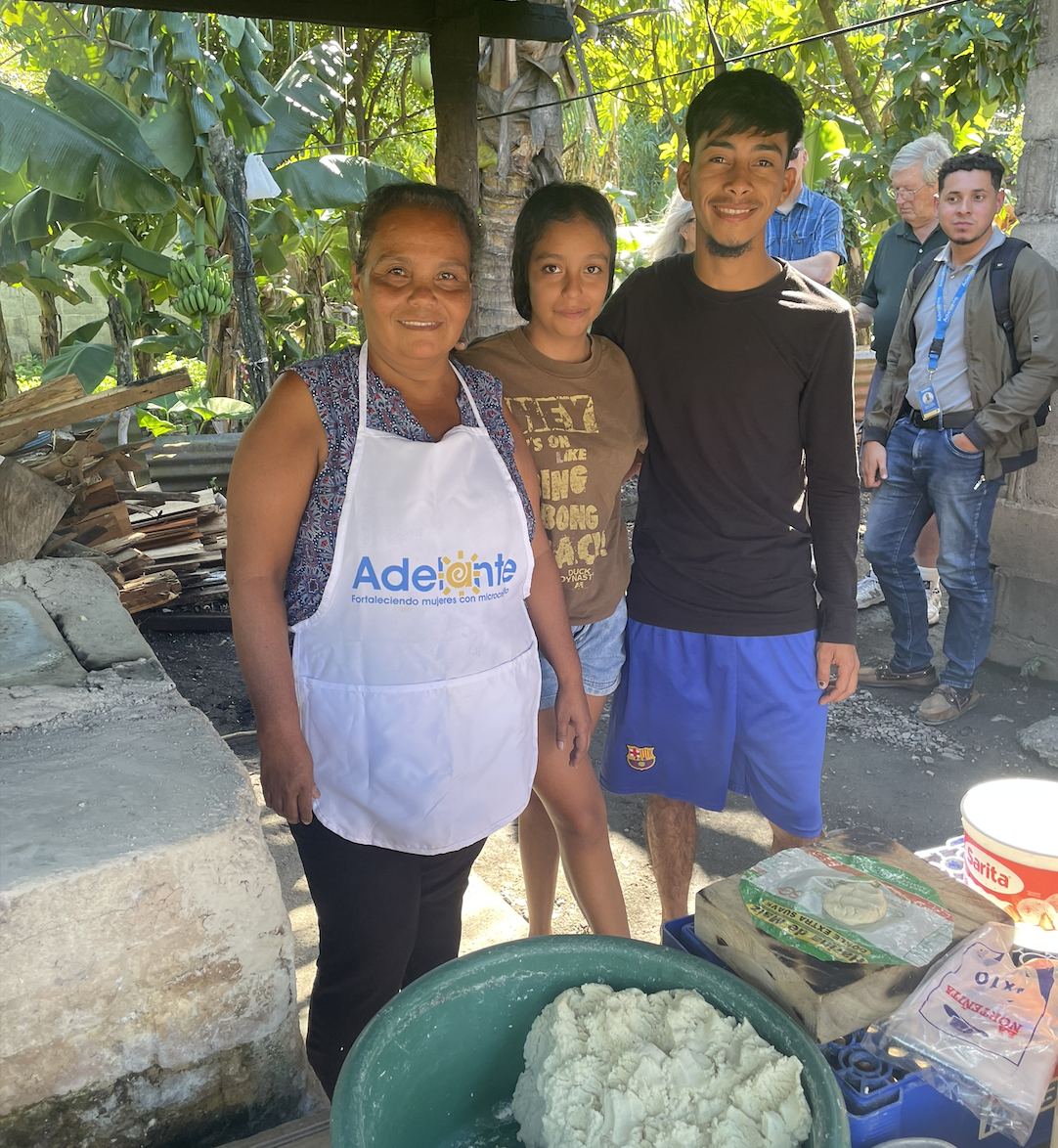
Many communities need both charity and empowerment — but for different reasons. As Adelante Foundation celebrates 25 years of empowering… more
Prosperity in Pajuiles
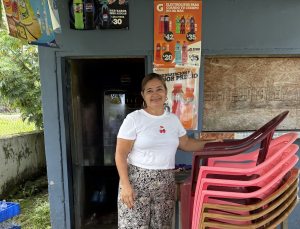
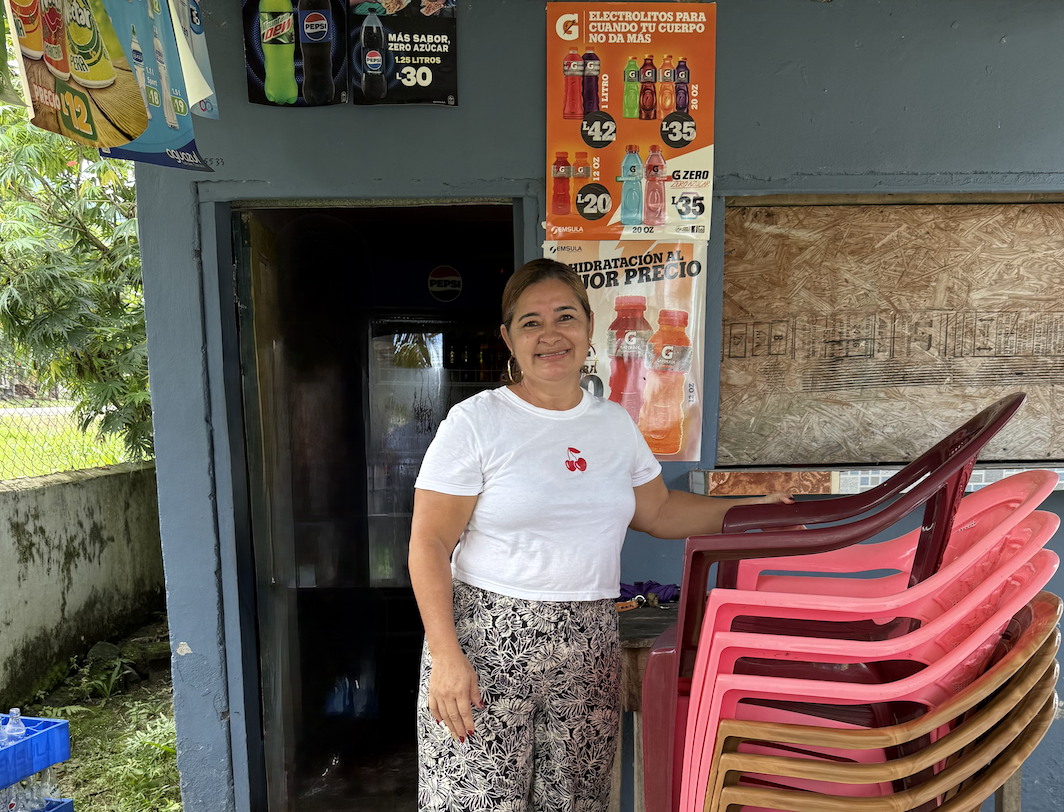
Along the roadside of Pajuiles, Atlántida, in a modest rented space beside the local health clinic, you’ll find Eulofia —… more
Karla’s Jewelry Journey in Roatán
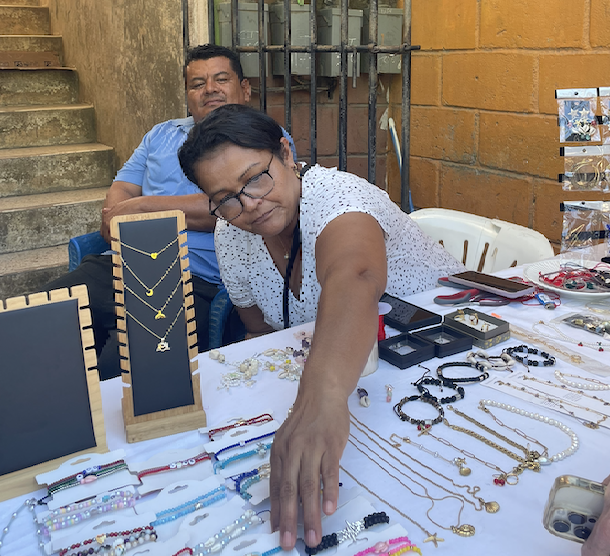
On a bustling main street in Coxen Hole on the island of Roatán, where scooters and shopkeepers calling to customers… more
Choosing Roots Over Roads
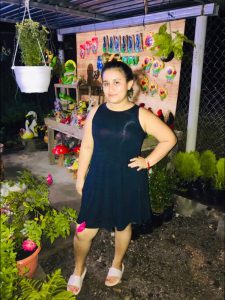
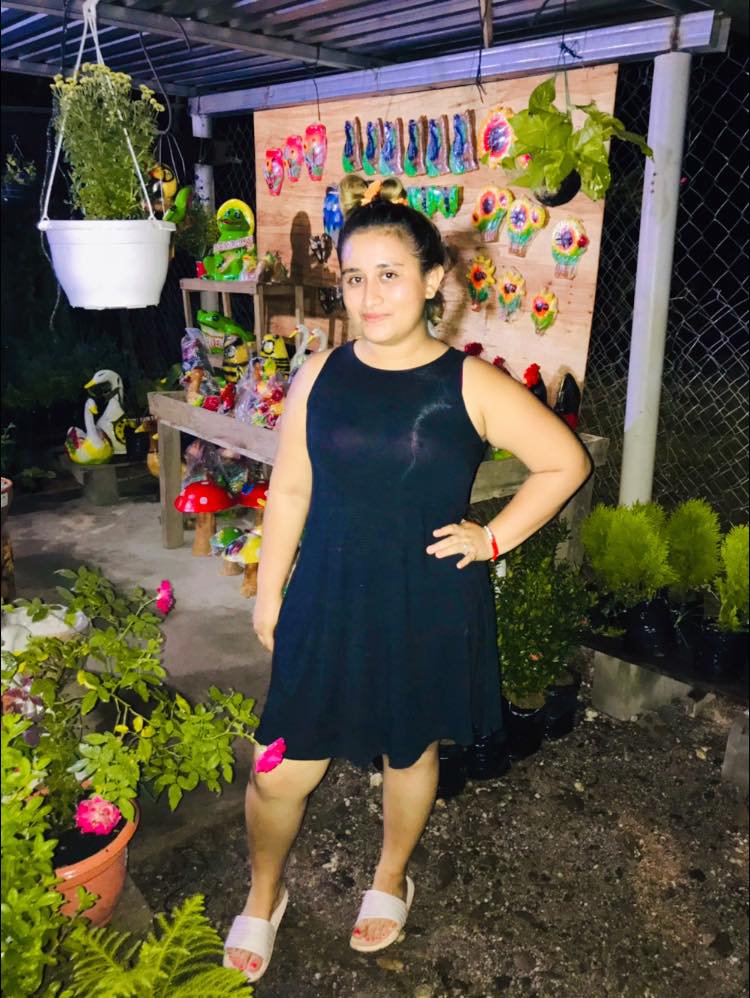
In 2020, as the world grappled with the COVID-19 pandemic, Kenia López found herself at a crossroads. Her husband’s job selling dairy… more
A Story of Determination and Growth
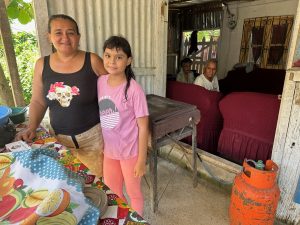
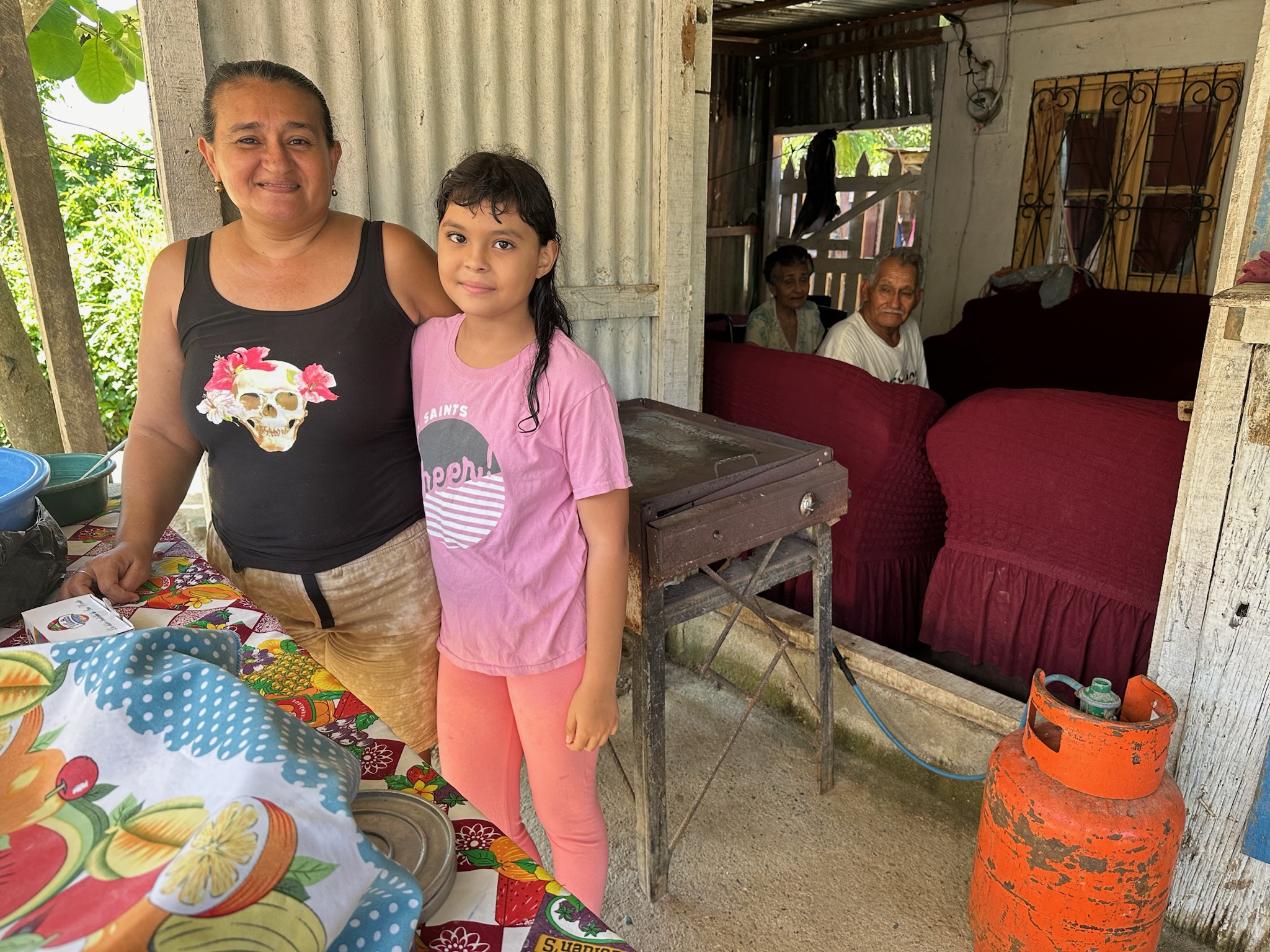
In the heart of Tela, Atlántida, Honduras, Rosa Bueso has built a thriving business making handmade corn and flour tortillas.… more
Our Almost Year in Roatan
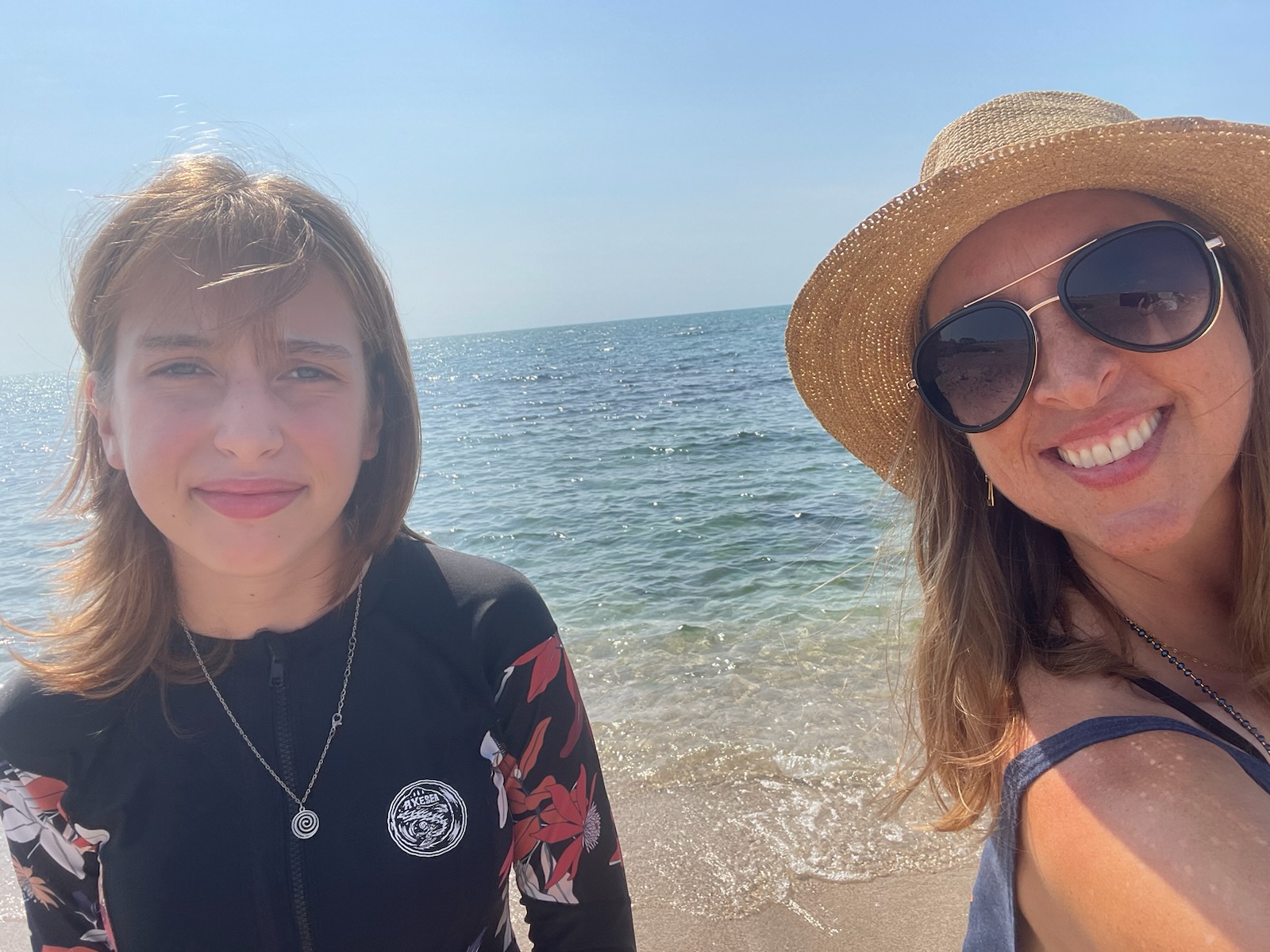
I wholeheartedly believe that microfinance is one of the most powerful and sustainable economic development solutions that exist to uplift… more
Touting Tomasa


Tomasa has been taking and paying back loans from Adelante on and off since 2013. She initially used funds to… more
Jean’s Take on Tour


A few weeks ago I had the privilege of participating in a mini Adelante Impact Tour. I taught at Espiritu… more
Reina’s Reinvestments
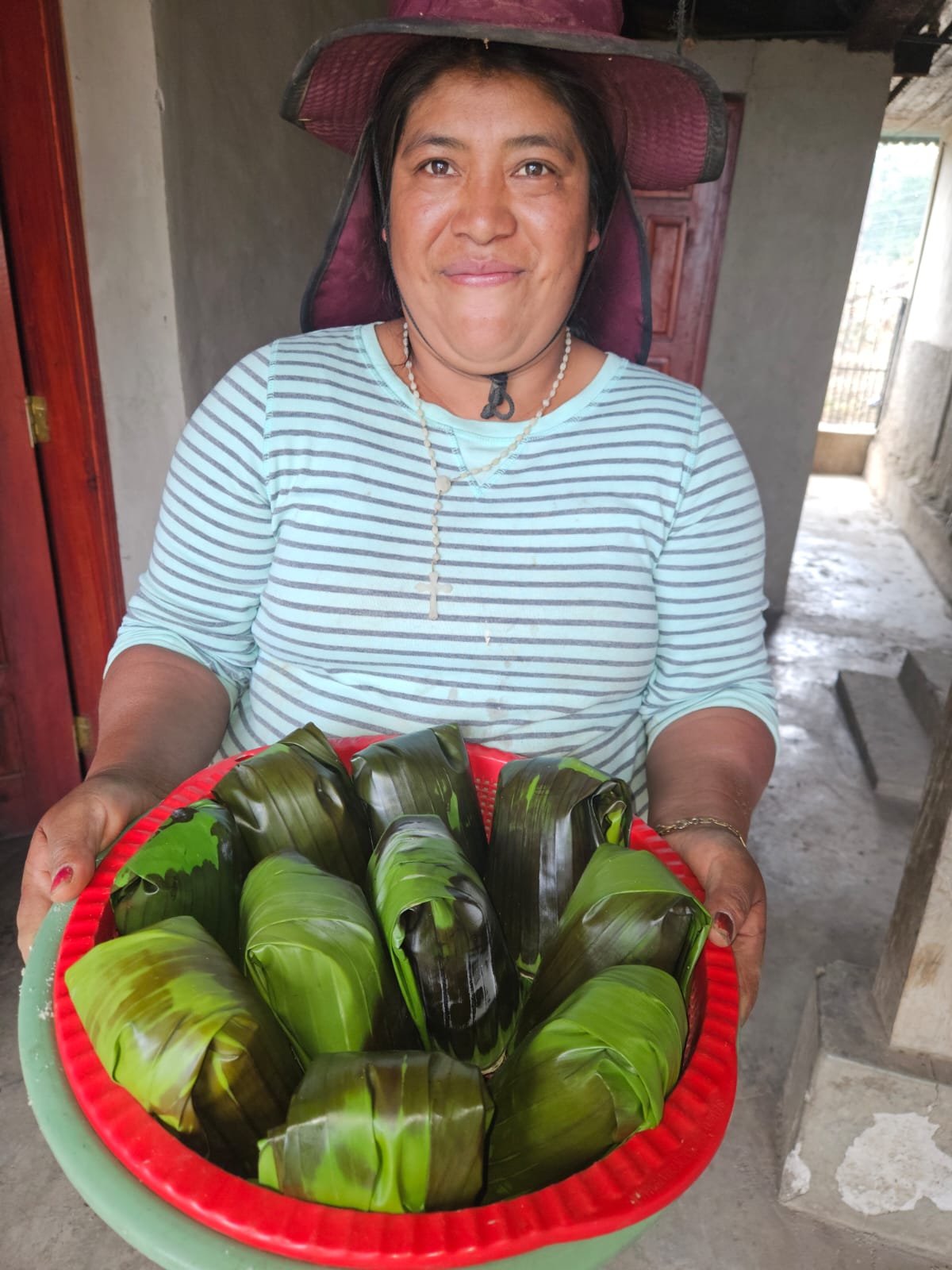
Reyna Gomez lives in Malguara, Intibucá. She has worked on inherited land from her father since she was little. With… more
Adelante Youth Ambassadors
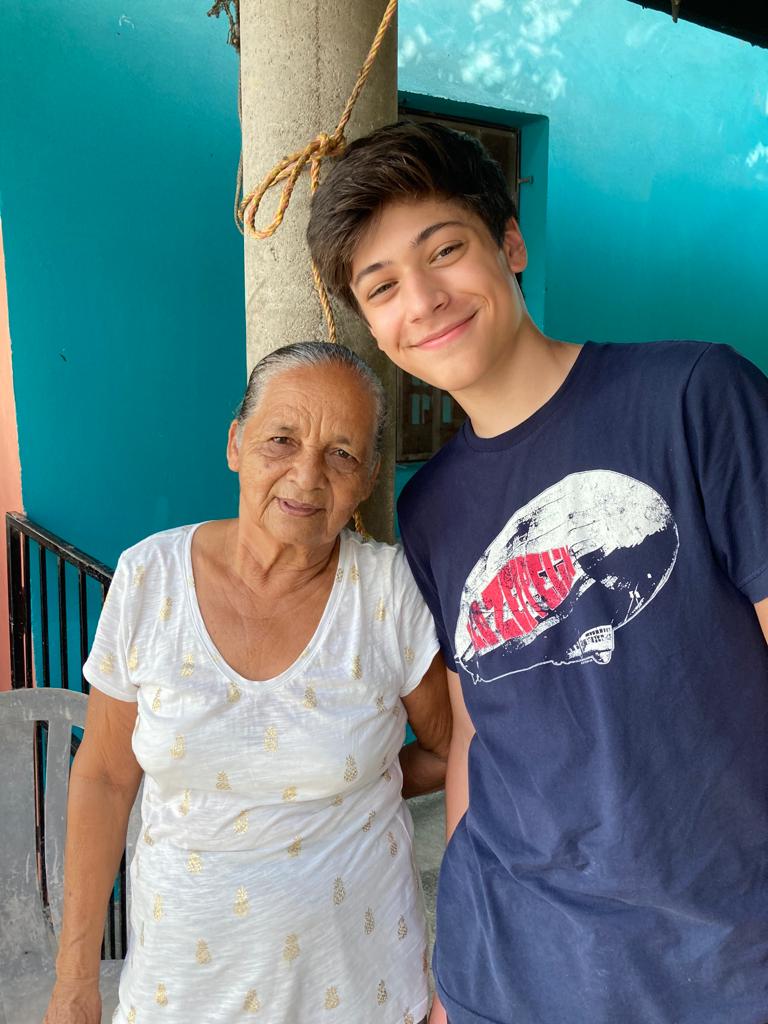
Adelante Youth Ambassadors are young global citizens who work individually or in groups to share their experience or invite affiliates… more
Mercedes on the Move
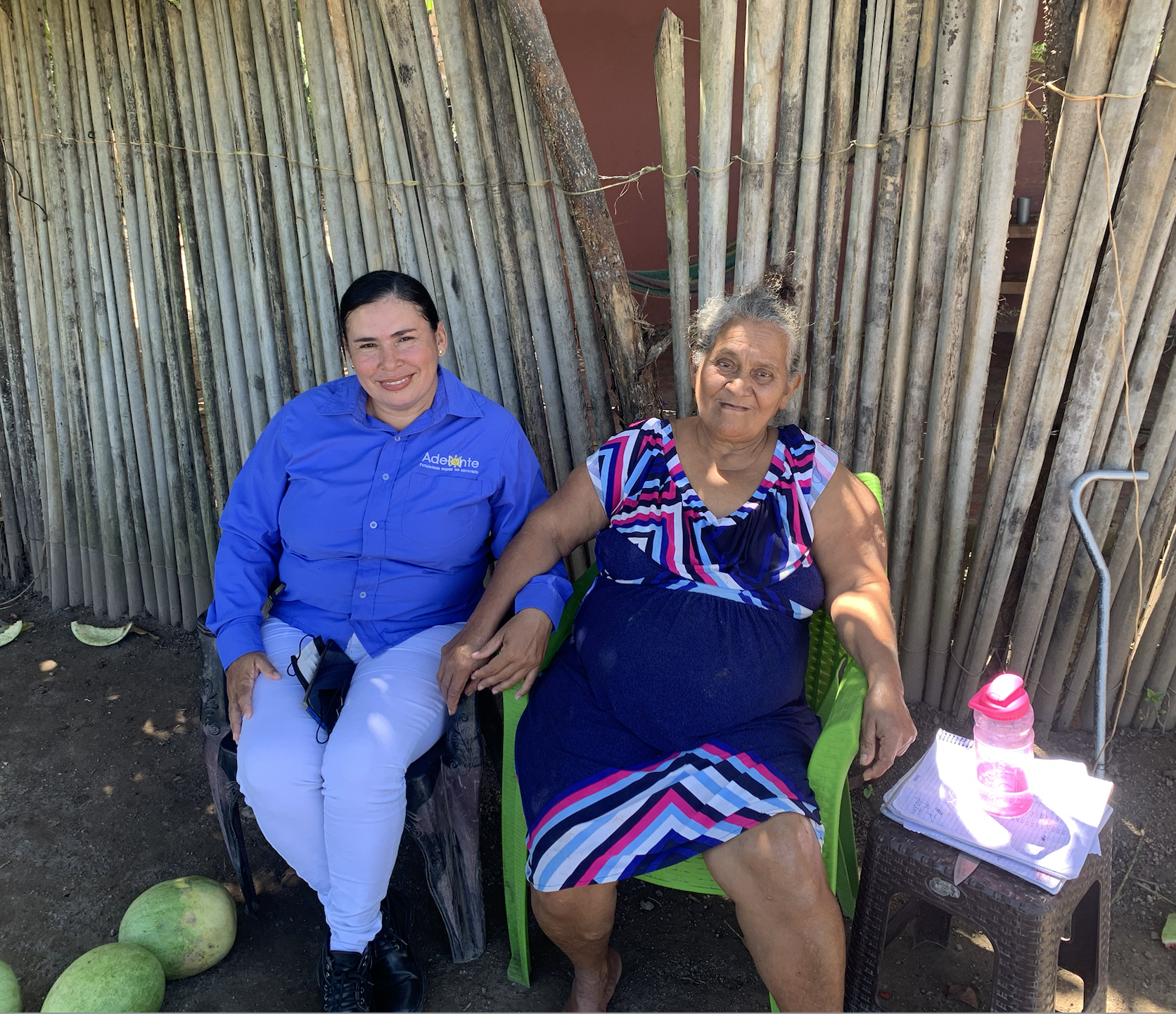
Adelante’s Well-Being Officer, Mercedez, is a force to be reckoned with. The role of Well-Being Officer is traditionally held by… more
Orbe’s Oasis
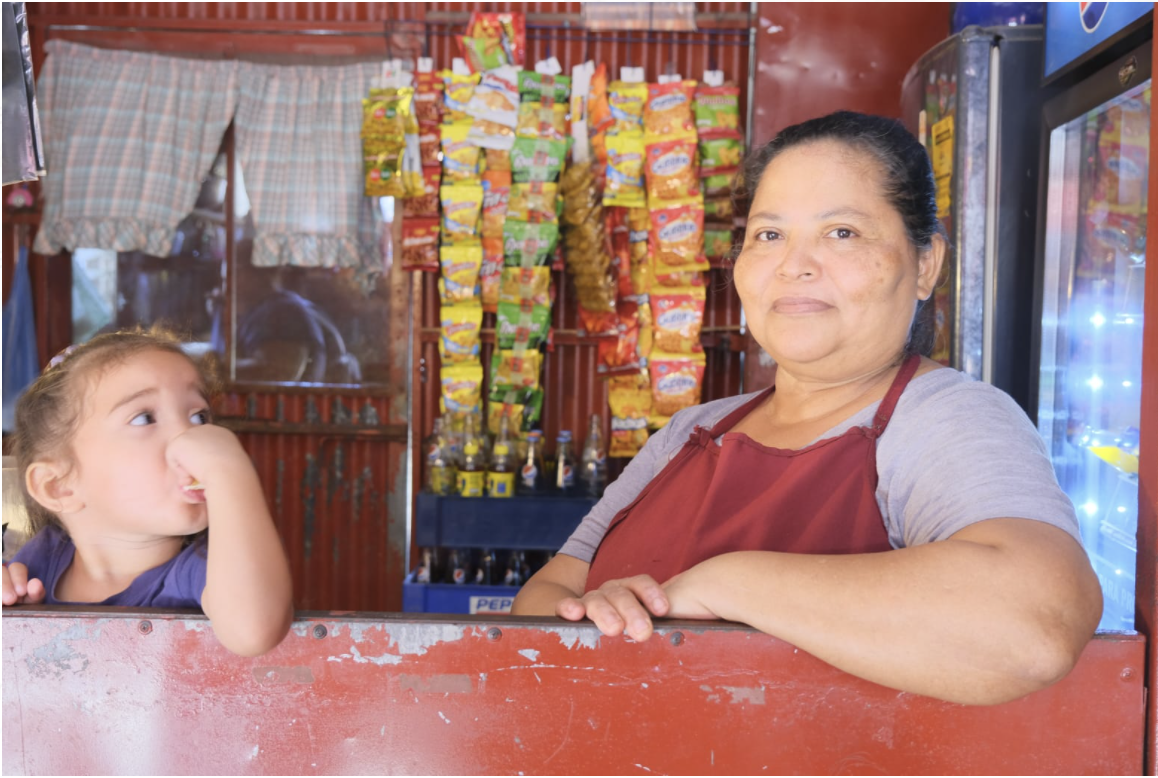
Orbe Oneyda has a thriving pulperia located along a busy thoroughfare in La Ceiba, Honduras. She has taken out a… more
Si se puede!
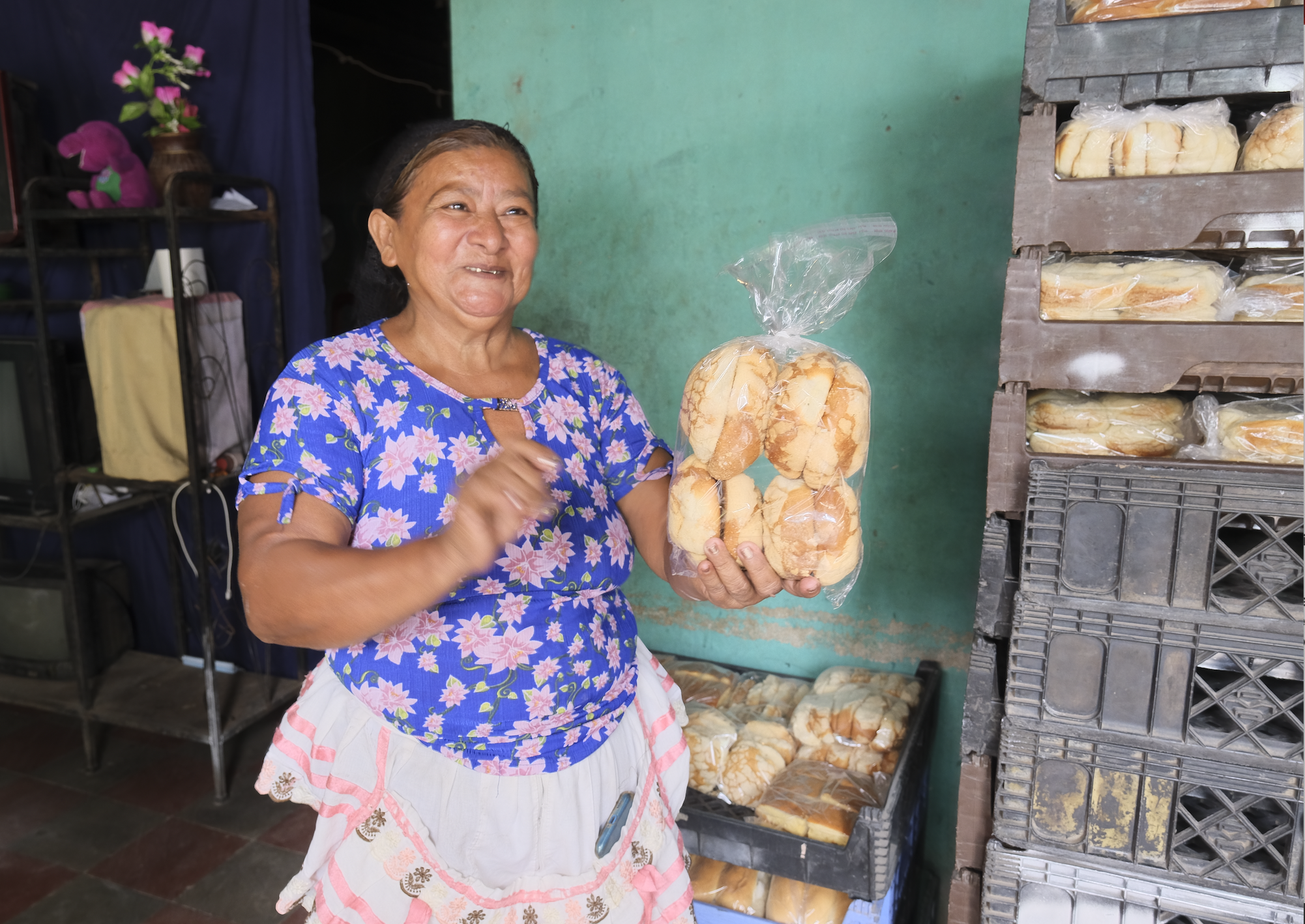
Amparo is a newer microloan client of Adelante. She started her own bakery in 2015 after working in other bakeries… more
Microfinance & Climate
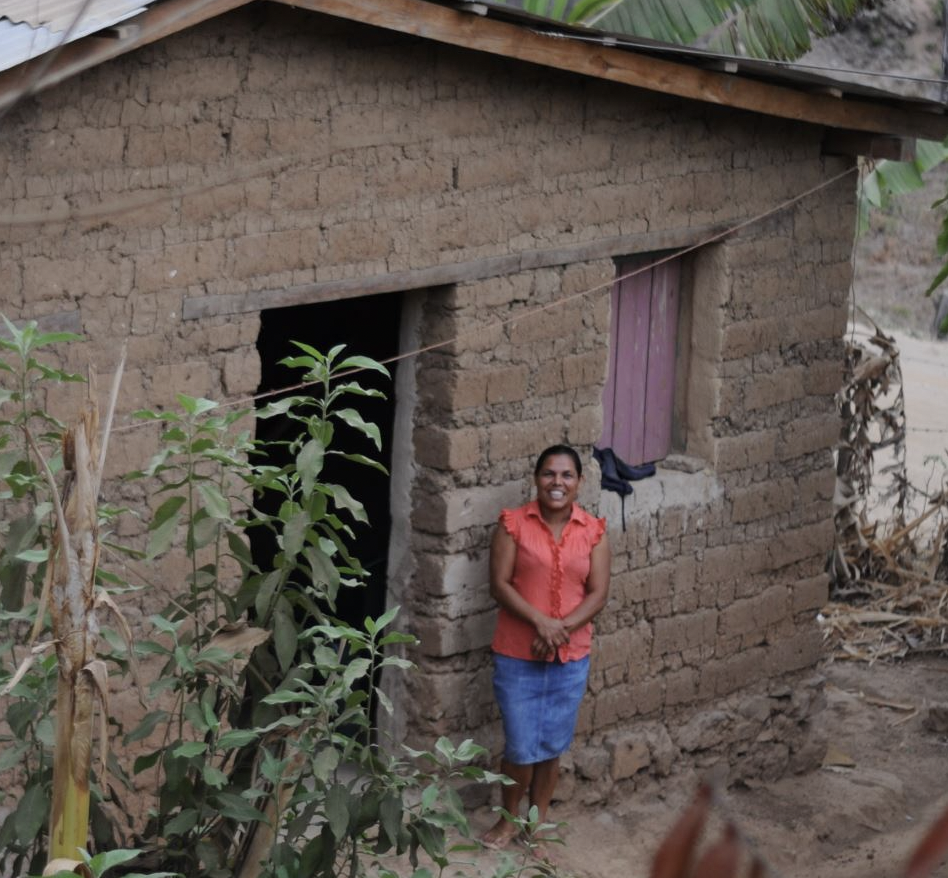
Microfinance may not be a panacea for the poorest of the poor, but the hand up (vs handout) is a… more
Sonia’s Sales
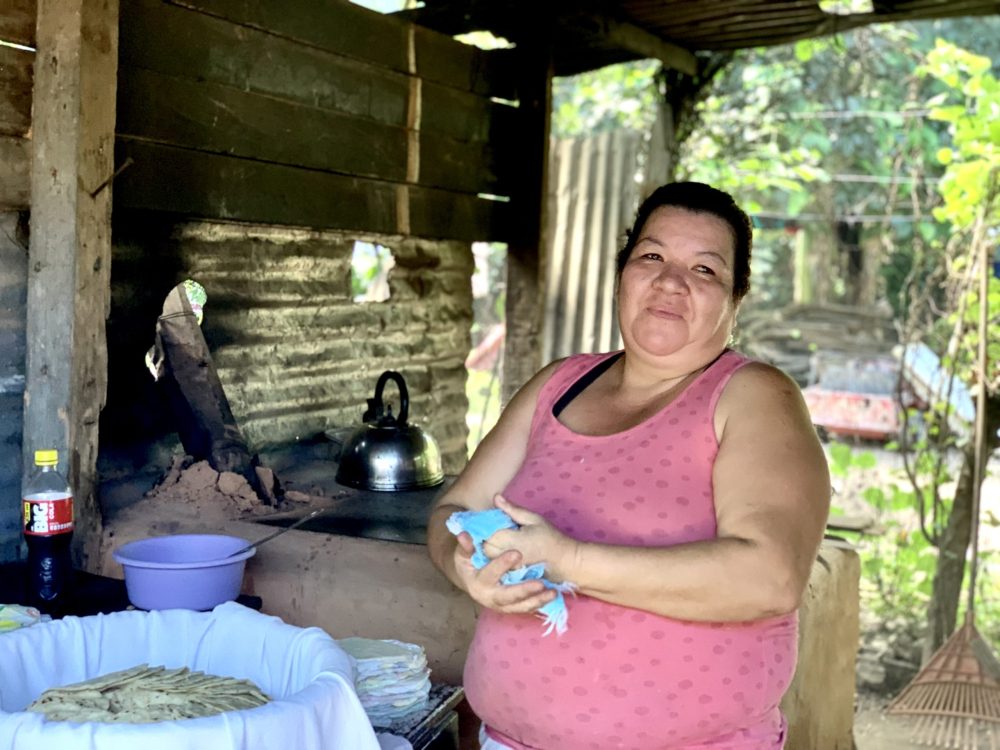
When Adelante borrowers successfully pay off a micro loan, they are qualified to take out another. Over the last decade,… more
Mirna’s Making Money
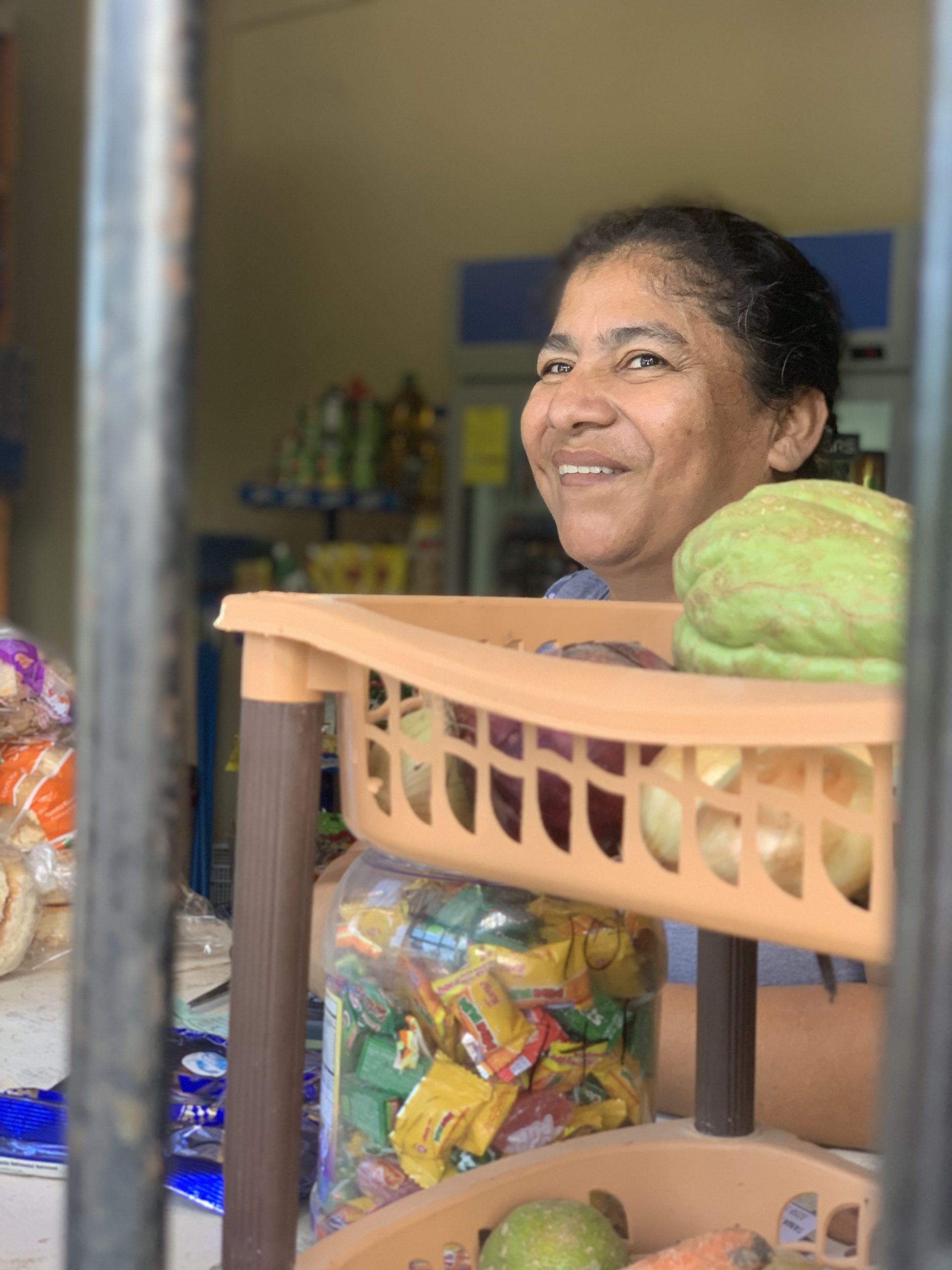
The last time we visited Mirna she had a thriving pig farm and carniceria, and a growing clientele buying her… more
Building Resilience for Women Post Natural Disasters
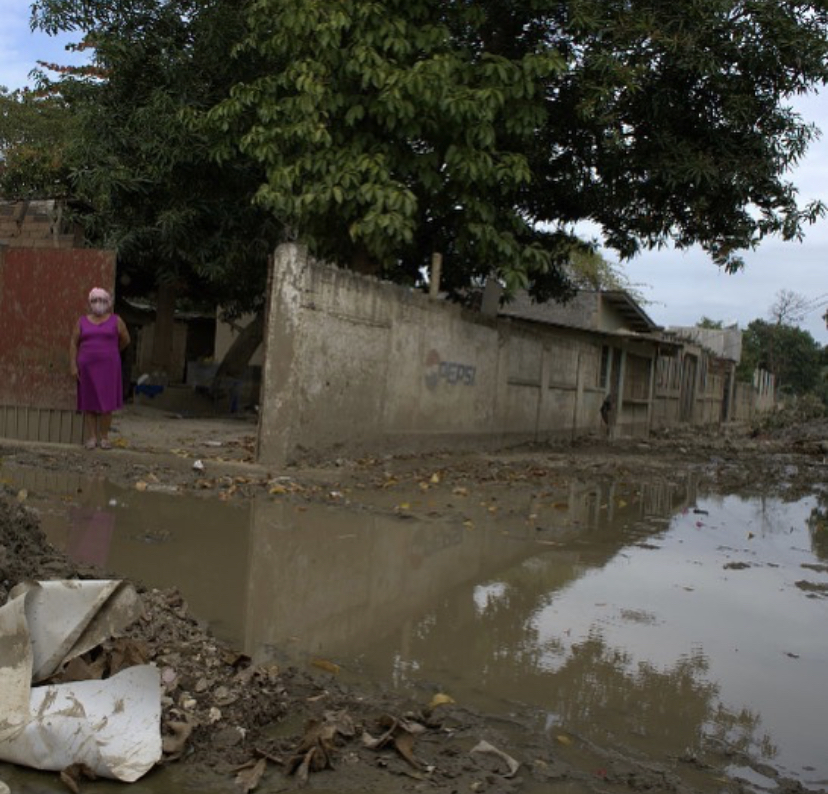
Gender and cultural norms can affect natural disaster response, which can become barriers to women and slow their recovery. For one,… more
Martha’s Story
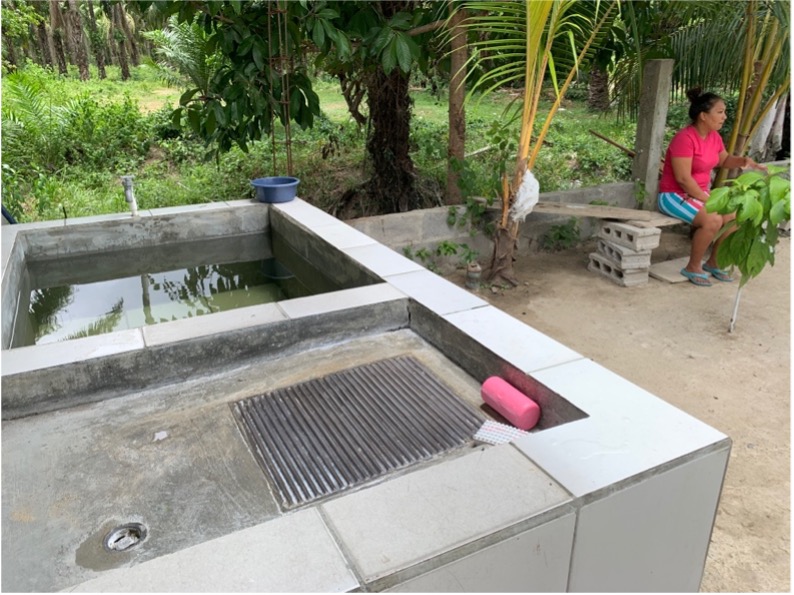
Near the Cacao Lagoon 30 km east of La Ceiba, past the communities of Corozal and Sambo Creek, off the… more
Tired, but proud
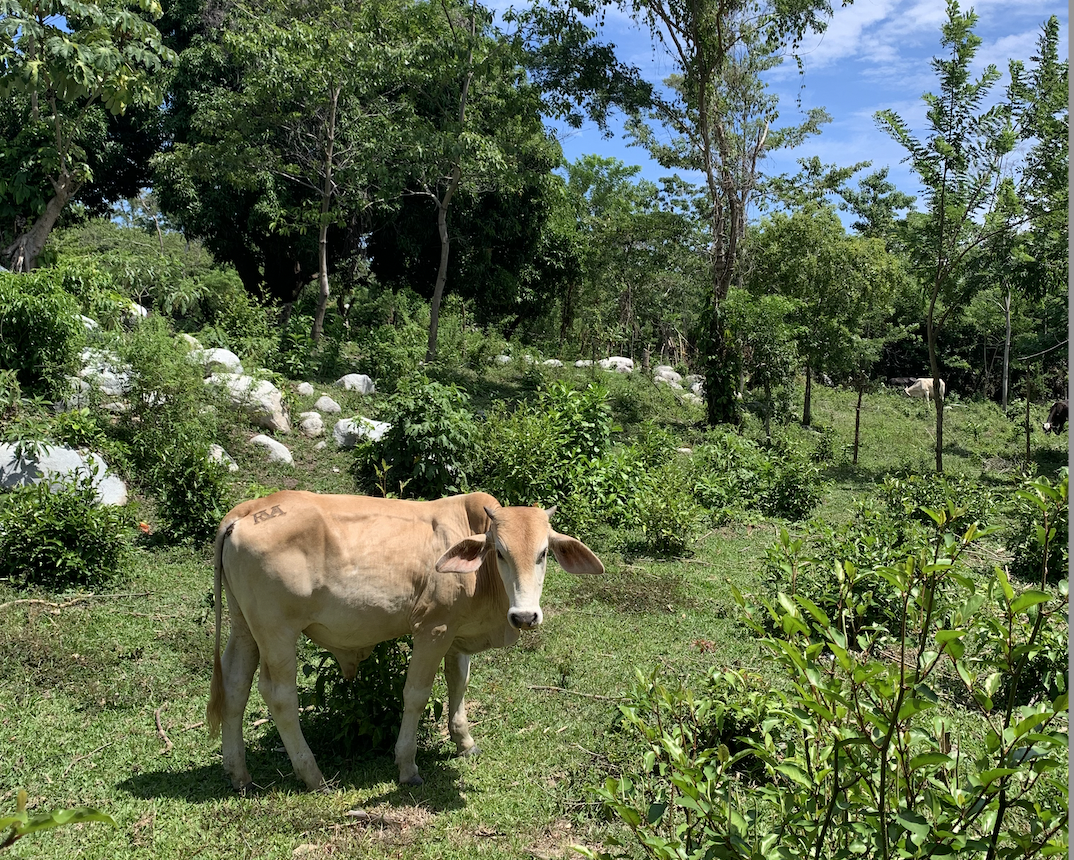
Rosa Imelda Majia Caces lives 45 minutes east of La Ceiba not far from the ocean in northern Honduras. Her main… more
Adapting to Emergencies
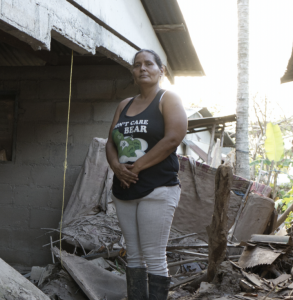
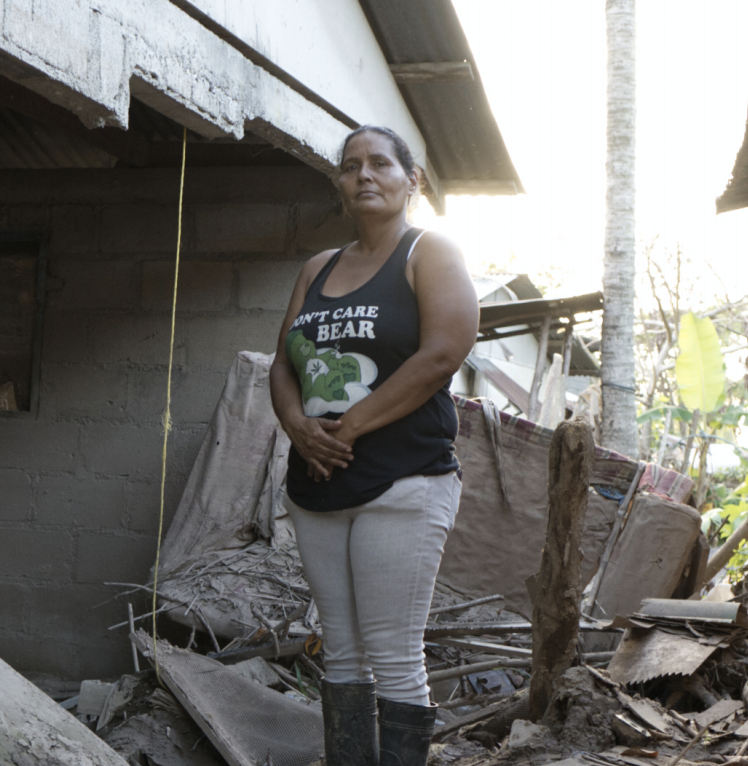
In 2020 we adjusted to the unique conditions by restructuring 1,033 loans. We also utilized our in-house custom software (SIACC),… more
Alma’s Story
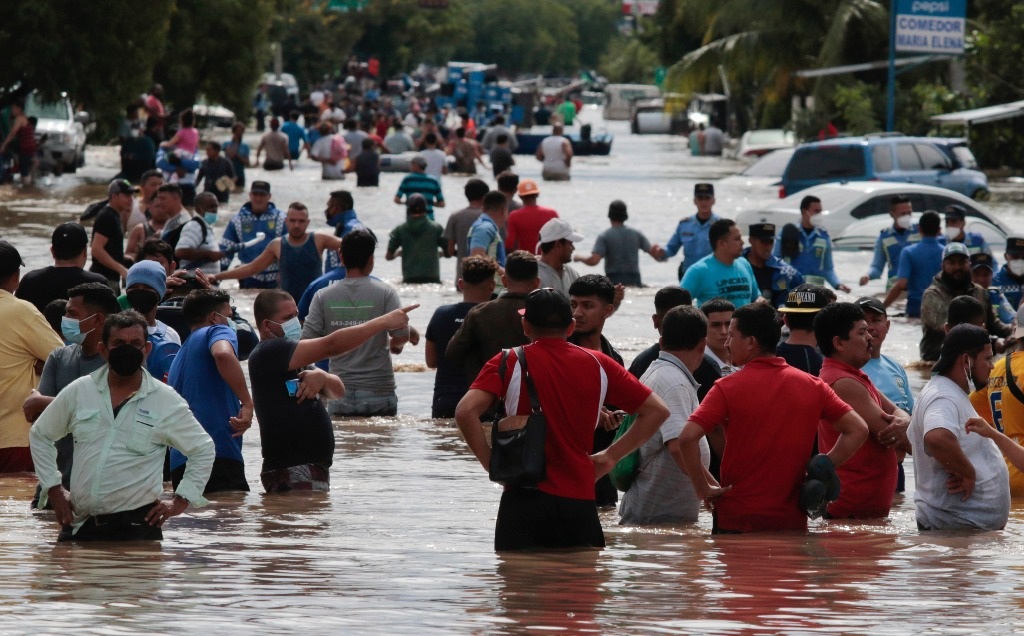
Alma resides in one of the areas most affected by Hurricanes Eta and Iota which hit Honduras in November, 2020.… more
Adelina’s Story
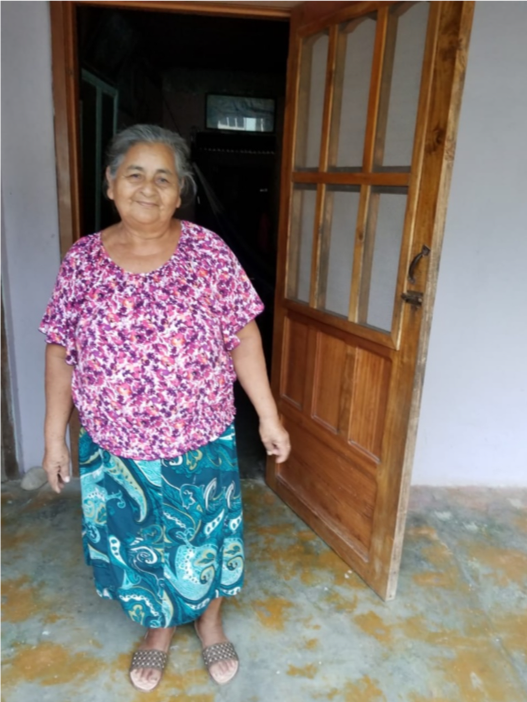
Adelina is a 73-year-old entrepreneur and the proud owner of a bakery business that has sustained her for many decades.… more
Ricarda’s Farm and the Power of Ag Loans
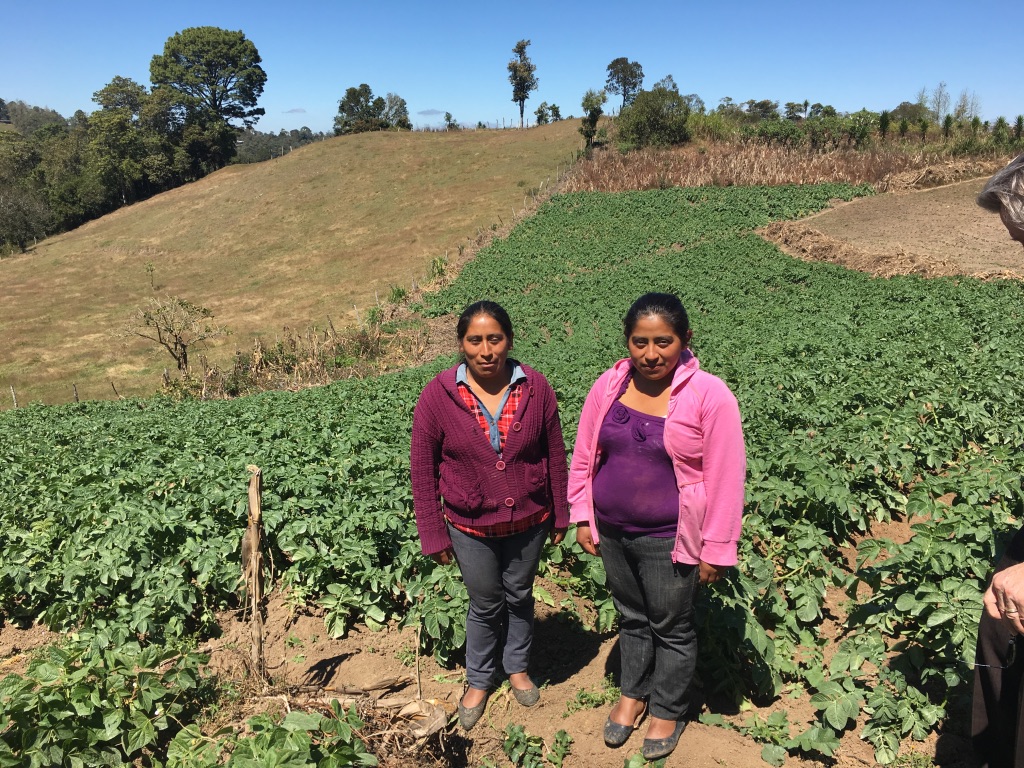
On the rural plains of southern Honduras resides 25-year-old, bean and potato farmer, Ricarda Martinez. She lives in a small… more
Aurora’s Tenacity
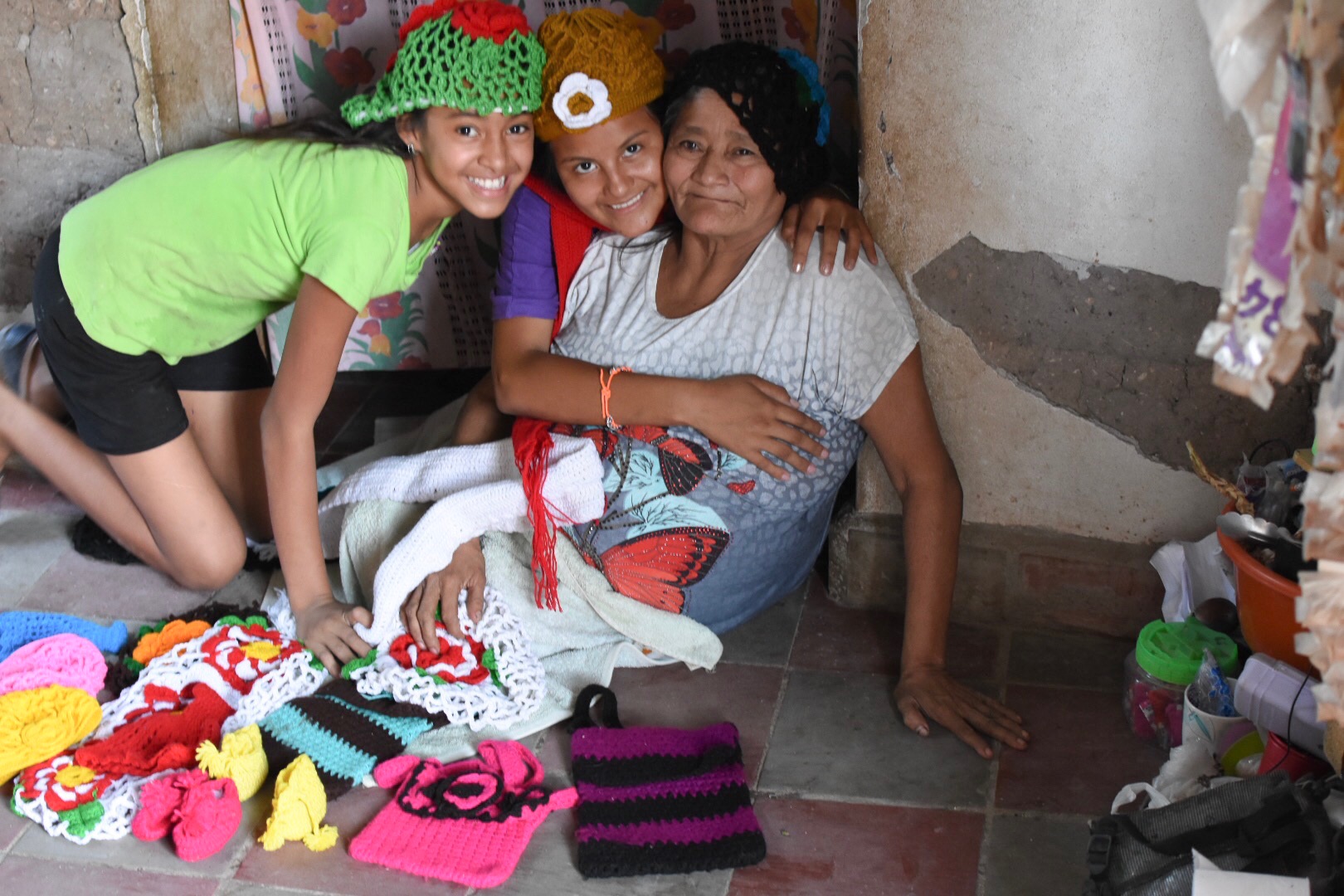
Aurora had never dreamed of owning a business. Before the stroke, she worked as an elementary school teacher and had… more
Gudelia’s resurgence from the ashes
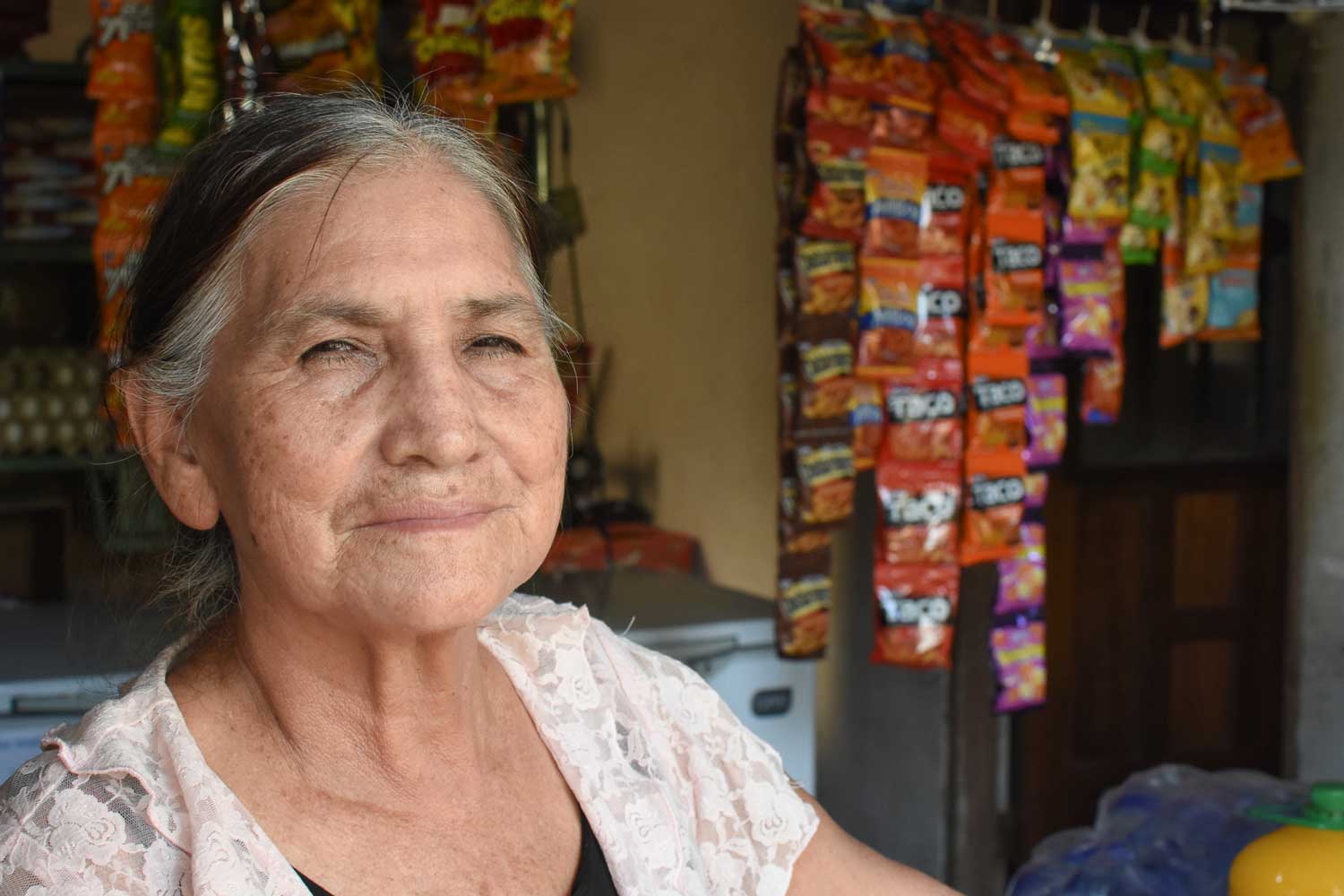
Maria Gudelia Perez Miranda is no stranger to adversity. Five years ago, she tragically lost her business and those most precious to… more
How to Move Forward
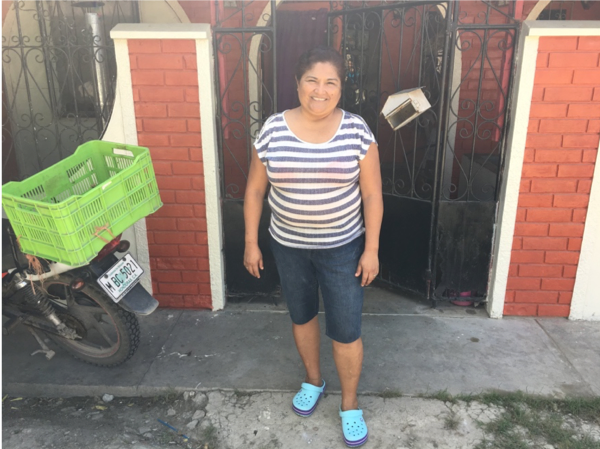
When Daisy was 11 years old, she found a L.10 bill (less than $0.50) and had an idea. She bought… more
From Trepidation to Triumph
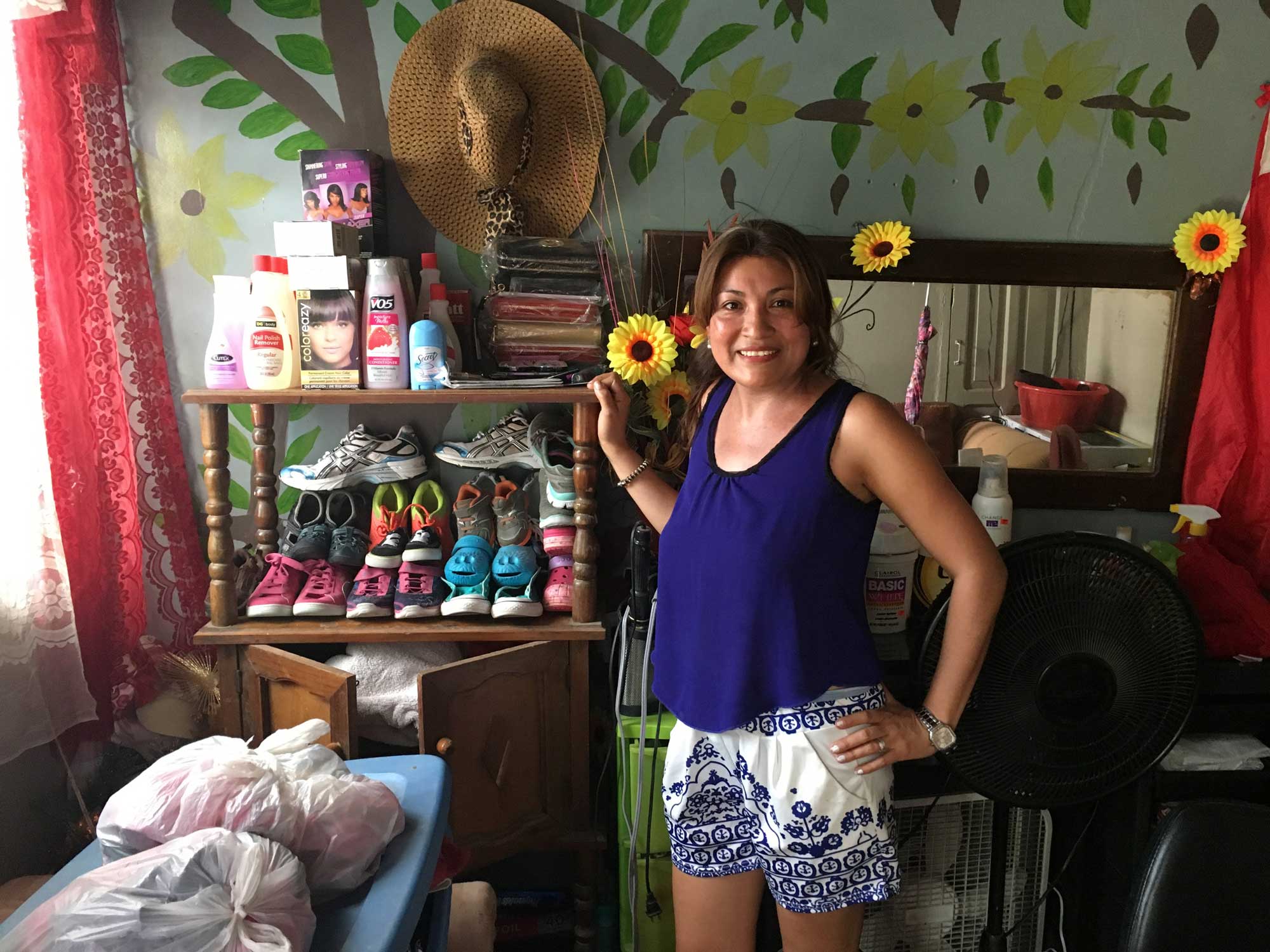
Cinthia never imagined running a business. She worried easily and was frightened by the risk. But in 2015, a friend… more
Something of One’s Own
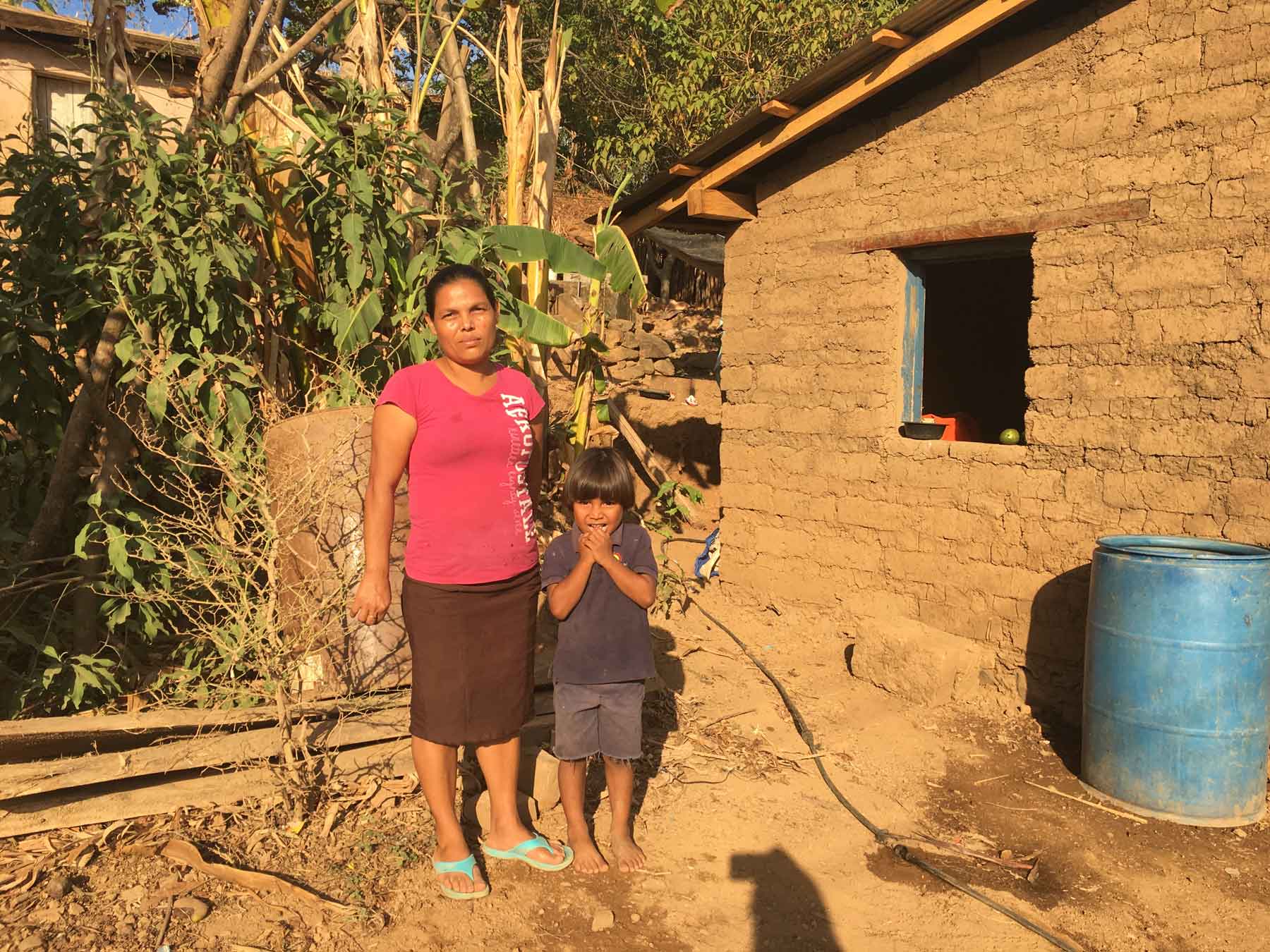
Marisol lives in a rural community high in the mountains of southern Honduras. She’s 36 years old and has four… more
Wendy Helps to Empower Other Honduran Women
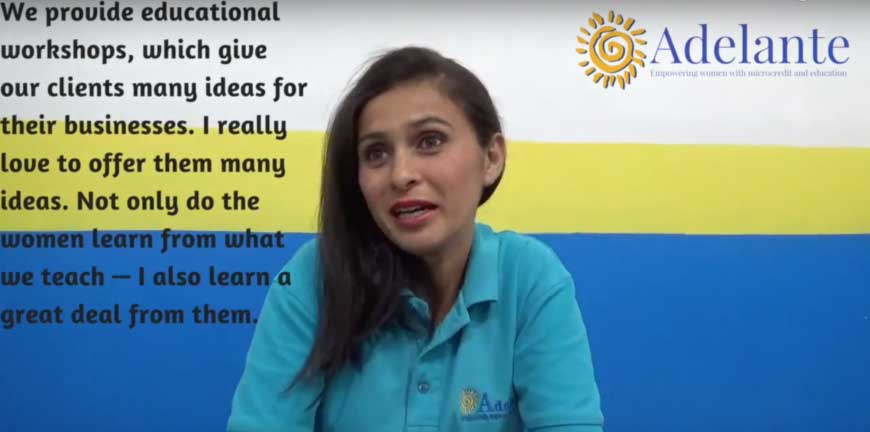
Being a Credit Officer is a demanding job, but Wendy makes it look easy. She joined our team in the… more
Isabel Invests in Her Daughters’ Future
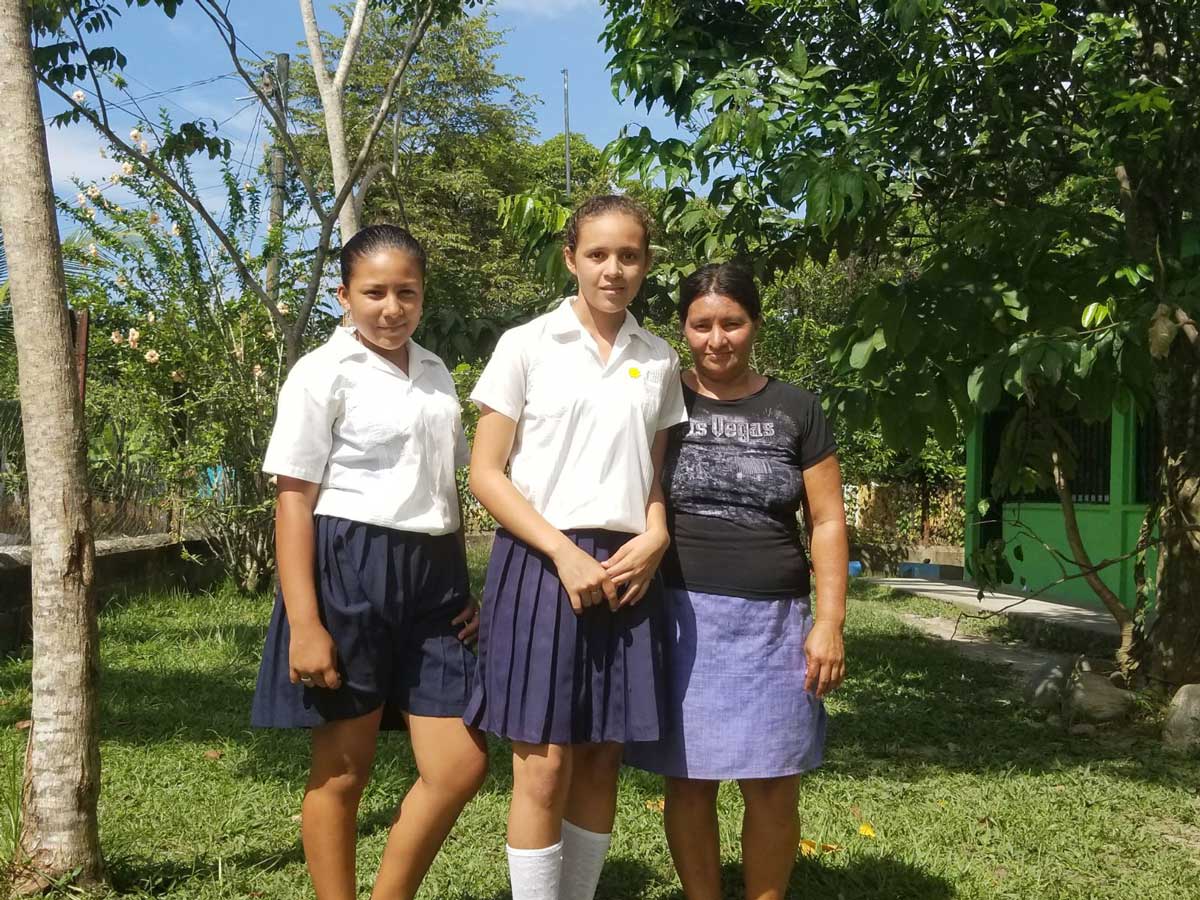
Isabel is a 42-year-old business woman living in the community of Cacao on Honduras’ northern coast. She has five children… more
The Women of Adelante: Doña America
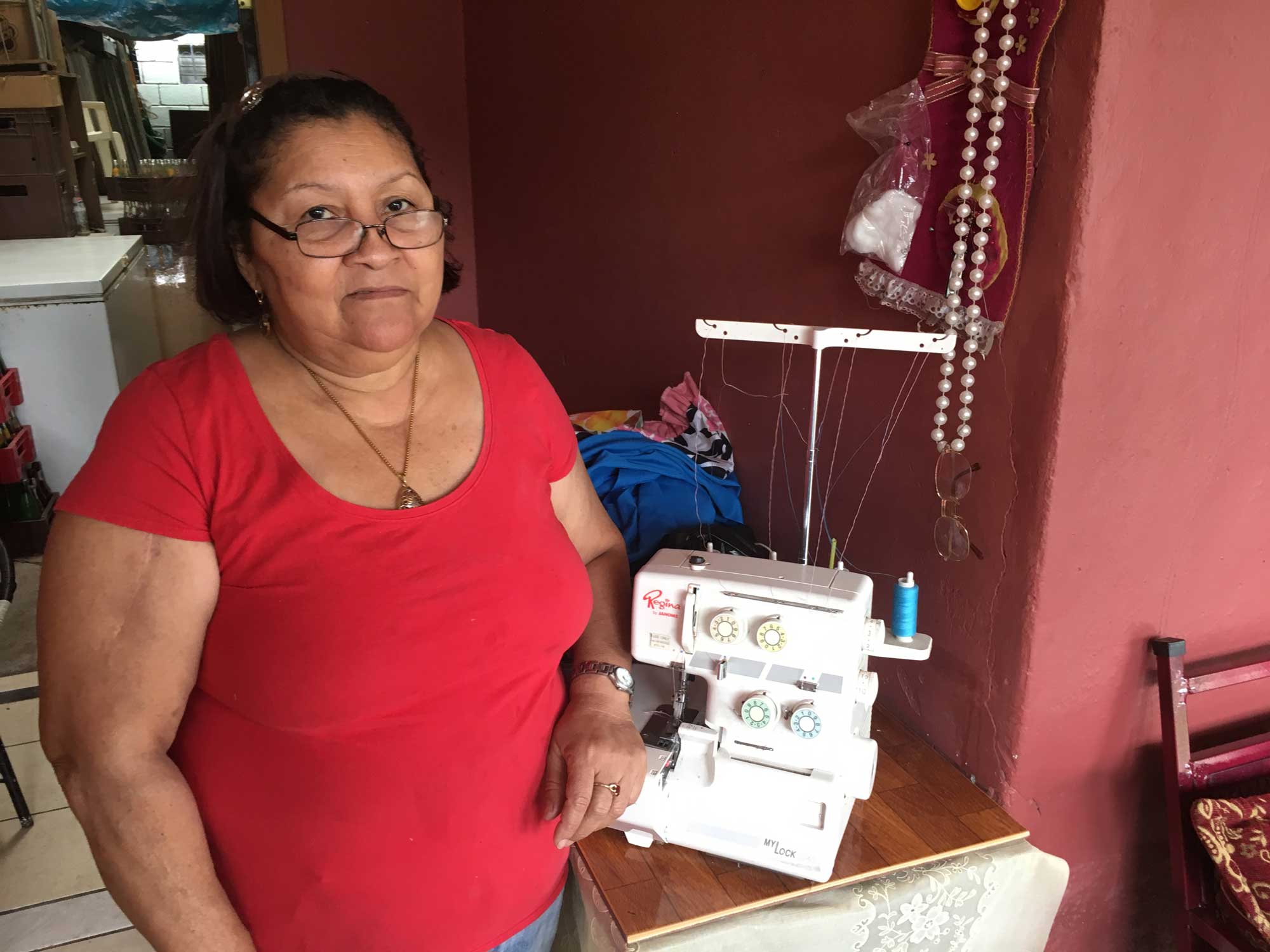
Happy International Women’s Day! Not a day goes by that we aren’t inspired by women across Honduras who fight to… more
Yeniz’s Second Chance
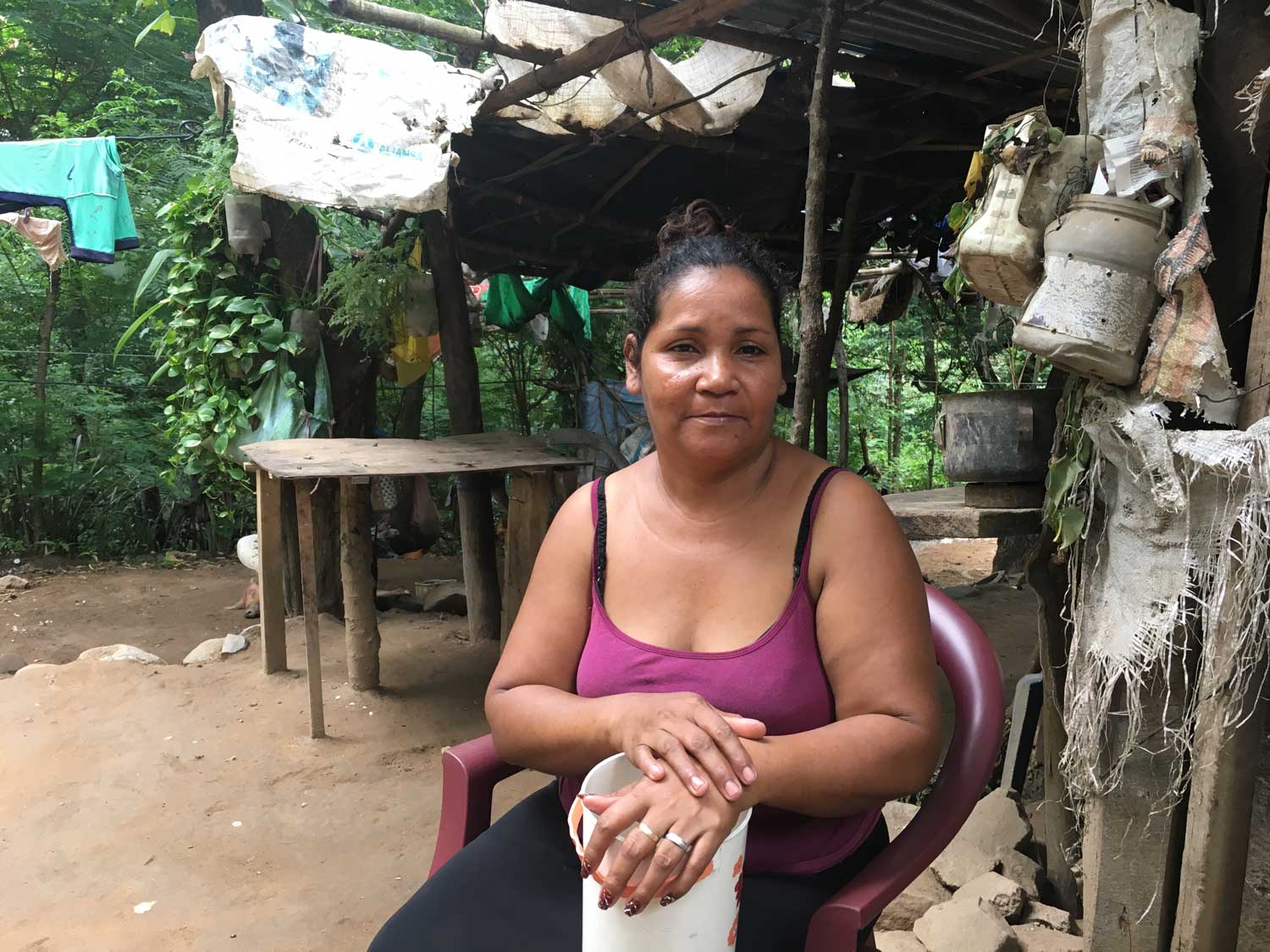
46-year-old Yeniz is soft-spoken, quick to deflect compliments with a humble smile. But underneath her modest exterior lies fierce resilience. … more
Joaquina’s Story
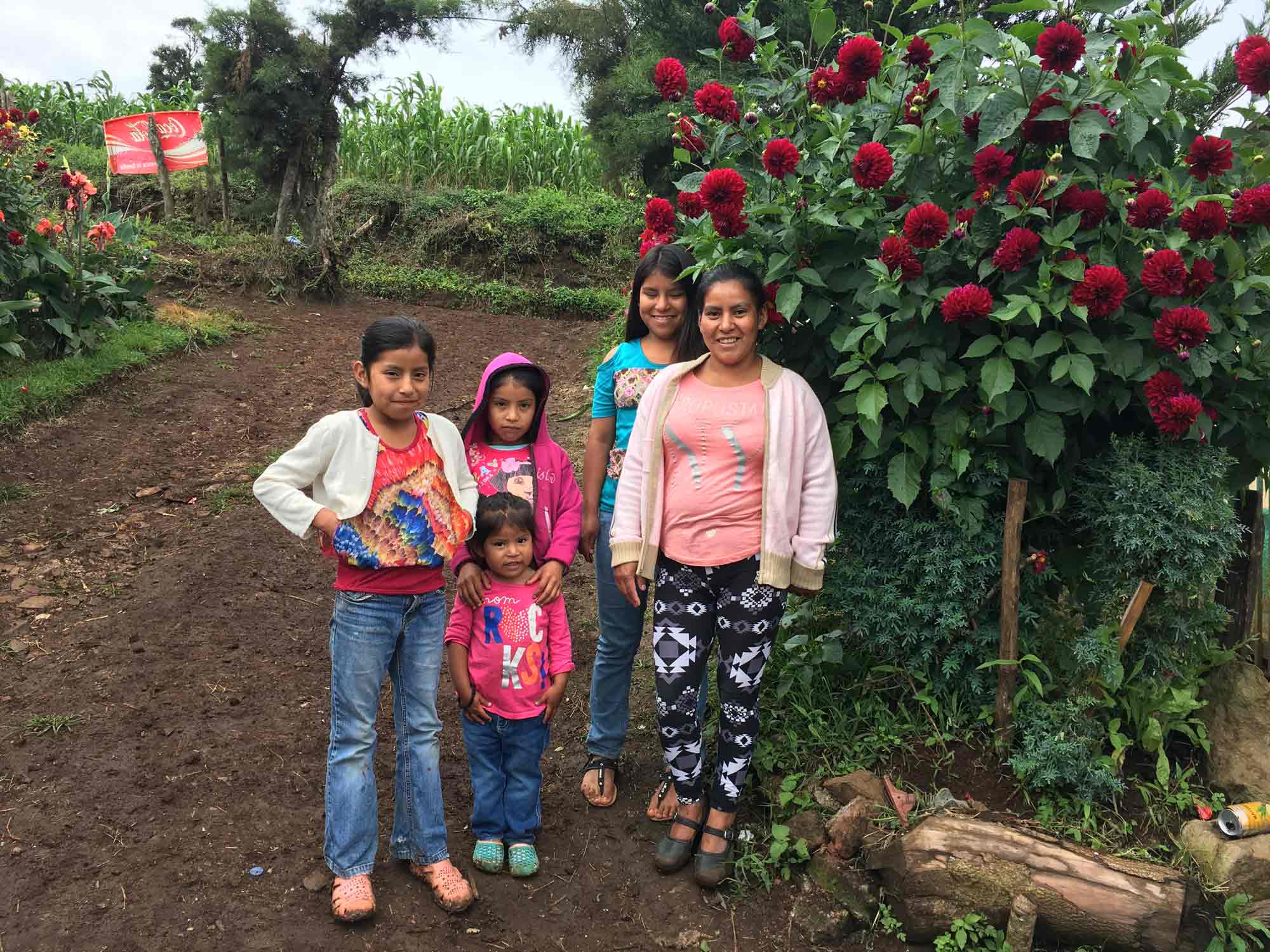
Life on the mountainous farms outside of Intibucá is far from easy, but you wouldn’t know it with Joaquina as… more
John Hatch Stands Behind Adelante
On 8 July 2017, Adelante Board member Bob Sample and his friend, Sue Davis, hosted a house party fundraiser for… more
Work with a Purpose
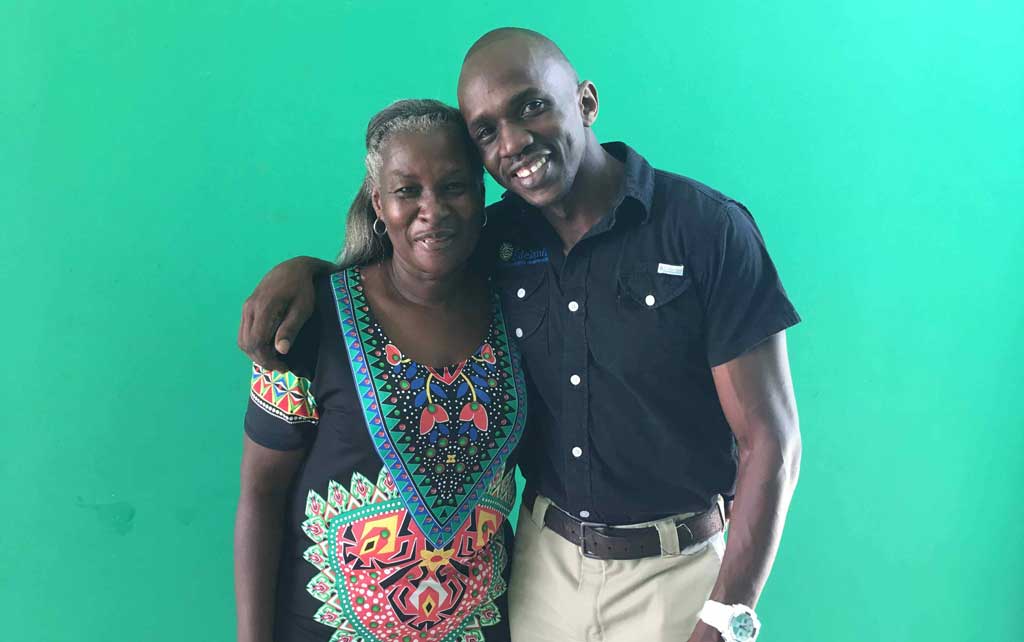
Charles is an exemplary Adelante team member who has worked in the main office in La Ceiba for more than… more
Sharing Solutions for an Empowered, Equitable Honduras
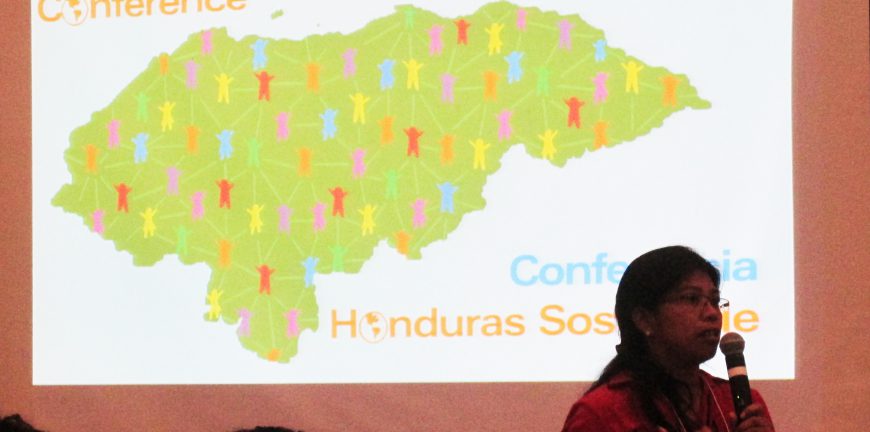
Last week, organizations from all corners of Central America and the US came together for the Sustainable Honduras Conference. Throughout… more
What would you do with $130?
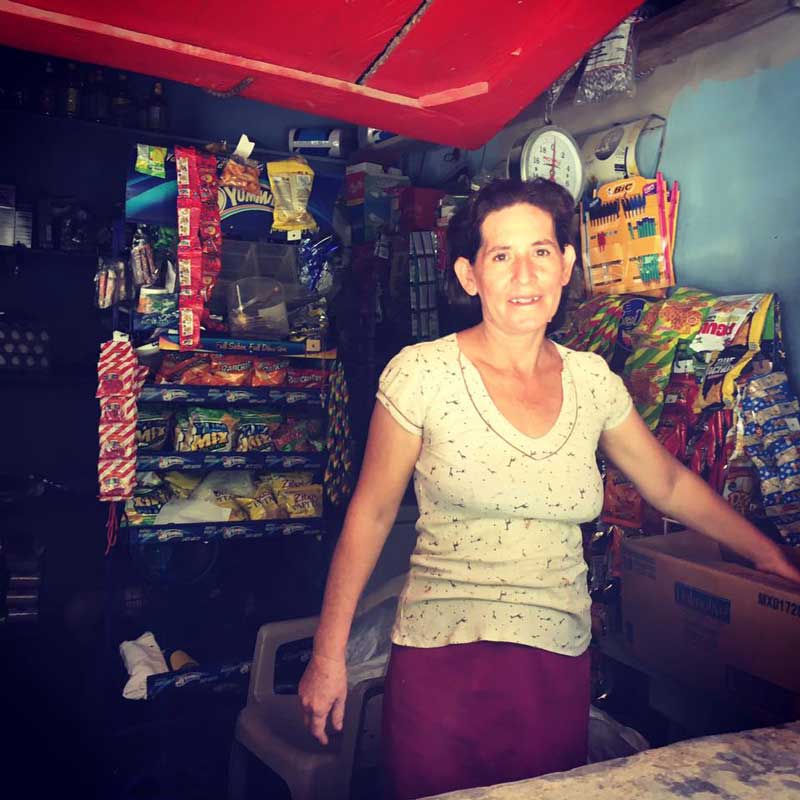
What would you do with $130? When Juana received a $130 loan, she used it to completely transform the quality… more
“I love the work that I do!”
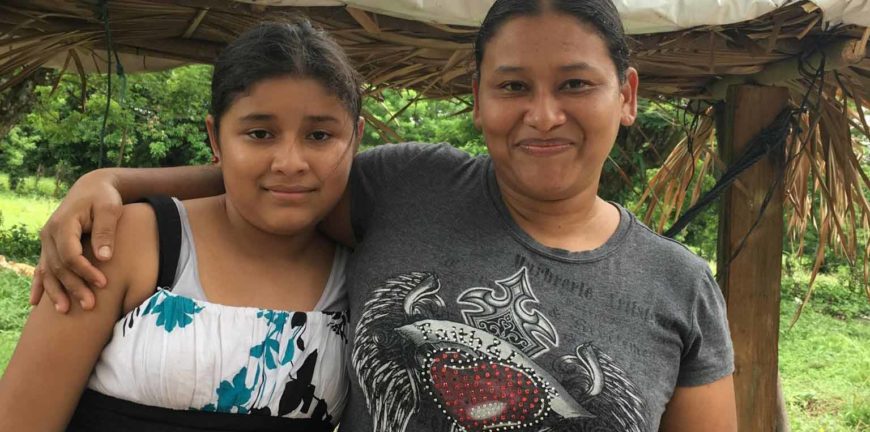
“I love the work that I do,” says Oneyda, who was able to start working when she first took out… more
Wuilmer Miranda – Adelante Credit Officer in El Progreso
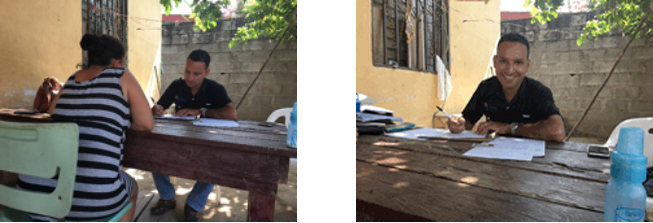
Wuilmer Miranda is an exemplary credit officer from our El Progreso branch office. He joined Adelante 5 years ago, starting… more
Guest Blog – Assembly Meeting Visit
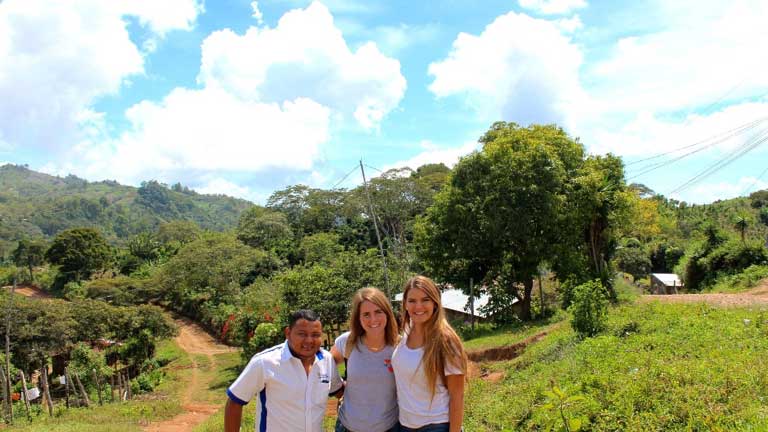
“Unidad, disciplina, trabajo y valor. ¡Unidad, disciplina, trabajo y valor!” I never expected that four simple words could be so impactful… more
Grateful for a Chance to Give Back
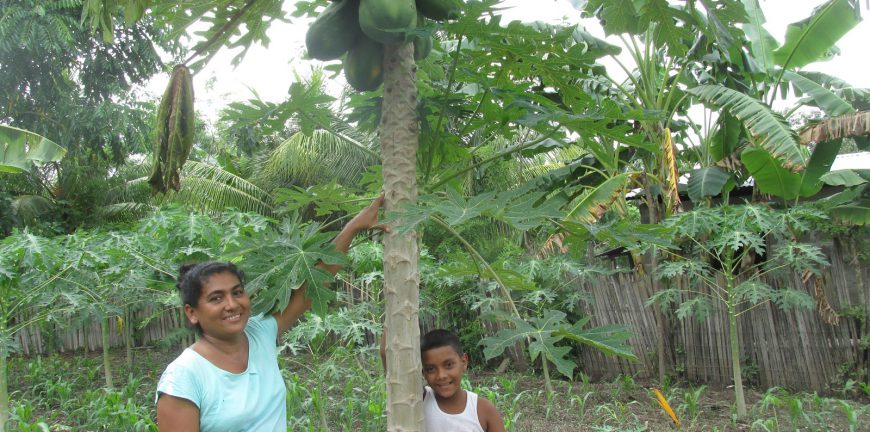
Her family once suffered from hunger. Now this entrepreneur creates healthy food access in her community… Francisca, an entrepreneur from… more
New Projectors for Adelante’s Education Workshops
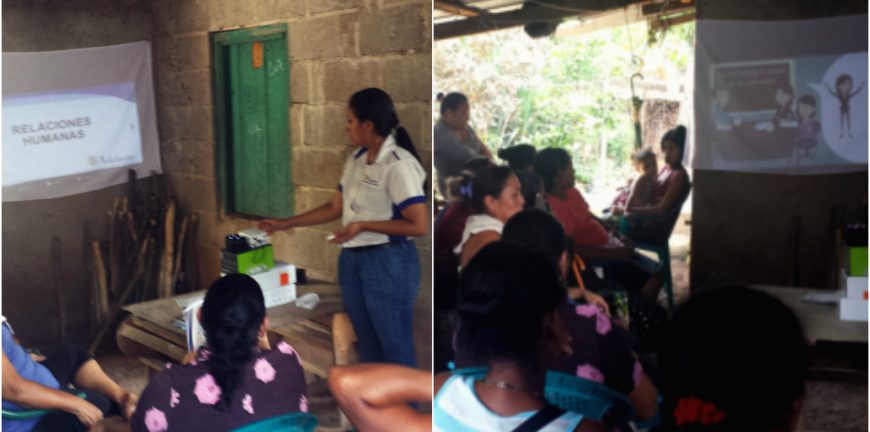
Adelante is not just about credit. We also use educational workshops pertaining to business administration skills to fully equip our… more
The Forgotten Crisis
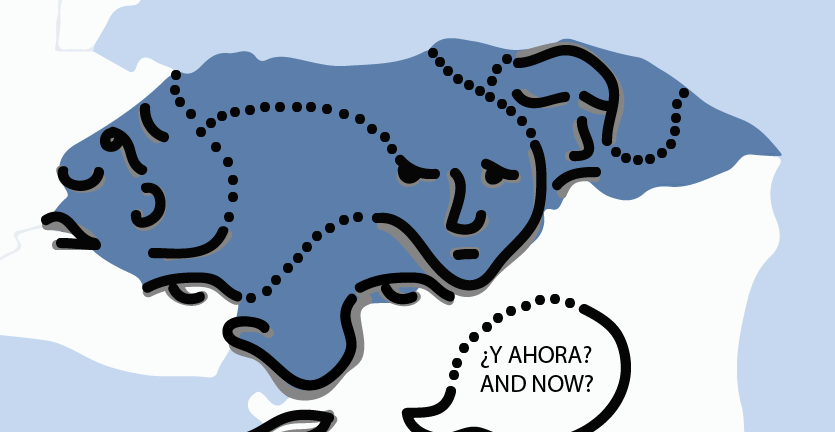
Eyes that so quickly turned to the U.S. border during the height of this summer’s migration crisis have just as… more
Maria’s Honduran Enchiladas Recipe
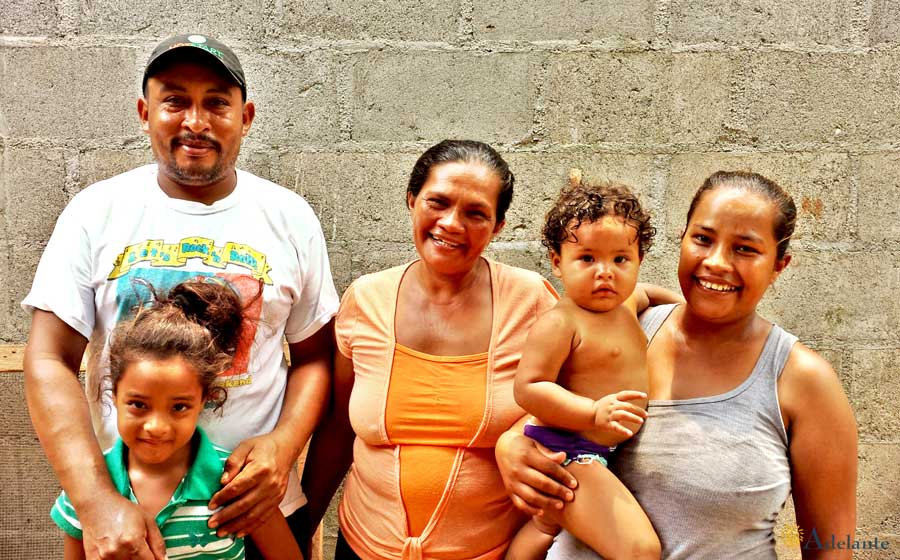
Maria learned how to cook as a young girl by her mother’s side. As an adult, Maria now honors her… more
Meet the Entrepreneur: Nora Vallejo
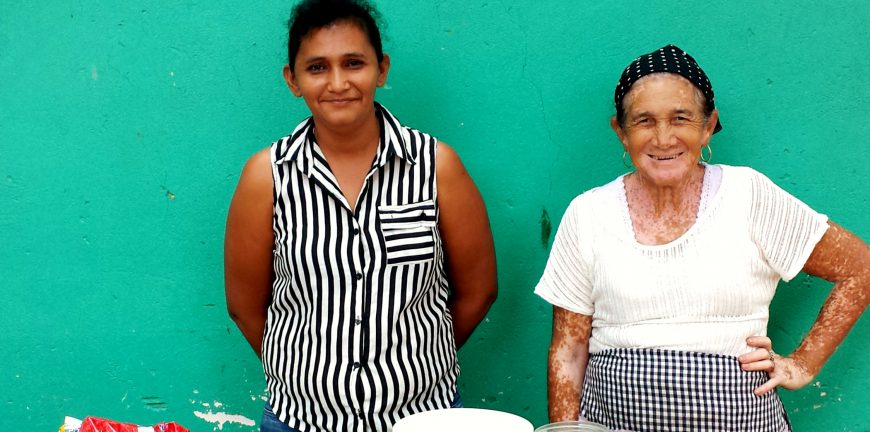
It’s been a couple months since the last time I was in Choluteca and I was excited to join one… more
Why We Invest In Women
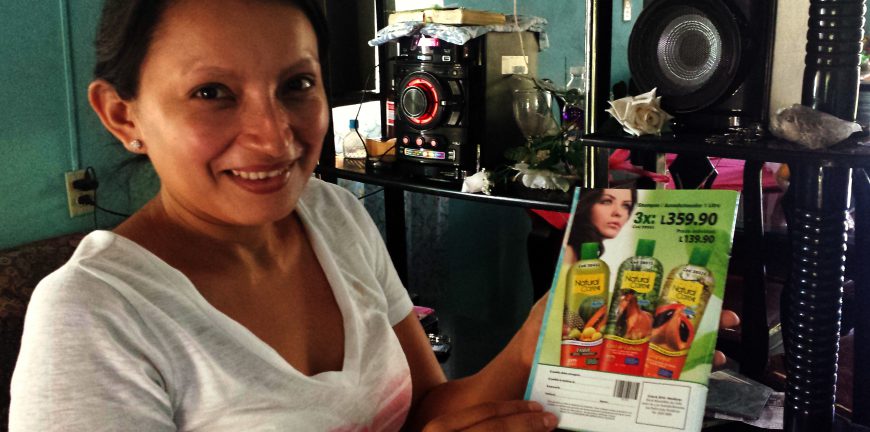
When Adelante started in 2000, the first loan was disbursed to a group of five individuals comprising of four women… more
First Impressions: Celebrating Women in Honduras
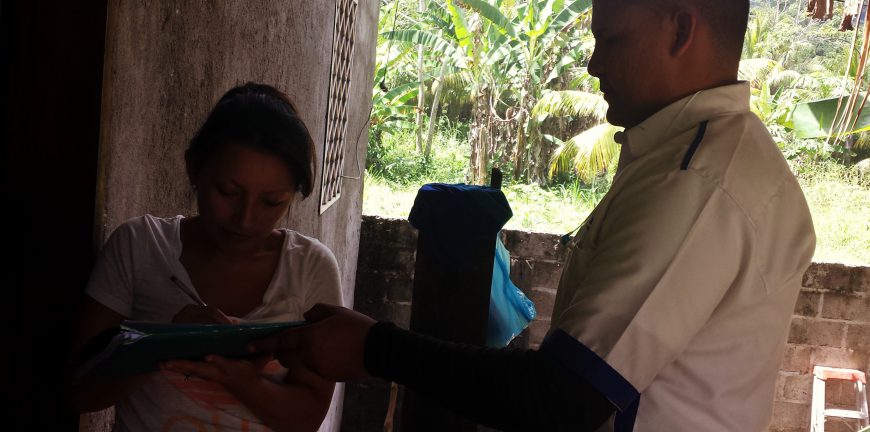
What kind of world do we want to live in? Some may say one with less traffic on a morning… more
Giving Back a Slice of Time: A Mission Sparked by Stunning Photographs
In the spring of 2013, Ben Sherman, an unassuming yet vibrant photographer traveling to capture culture throughout the world, came… more
Debunking Microfinance Myths: Why It Works in Poverty
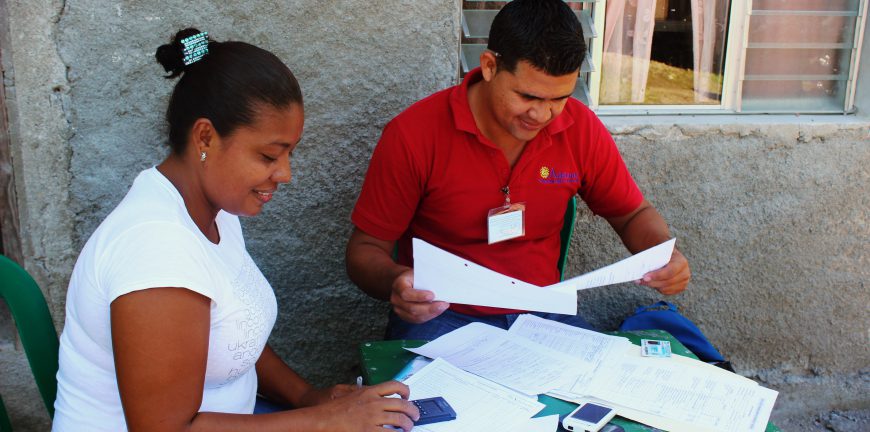
Microfinance can be a tad bit confusing when you first hear about it. In conceptual terms, microfinance means providing small… more
Celebrating 15 Years: Hear it from the past and present cast of Adelante
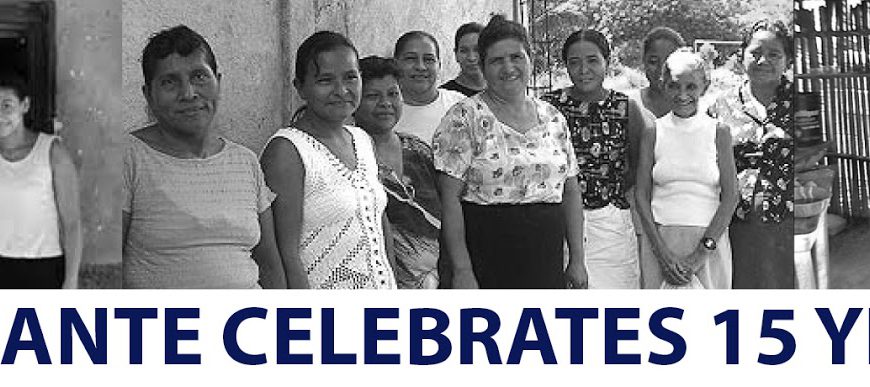
The members of our present and past staff, Board of Directors, and circle of supporters have contributed time, support, and… more
7 Reasons We Say ¡Gracias! This Thanksgiving
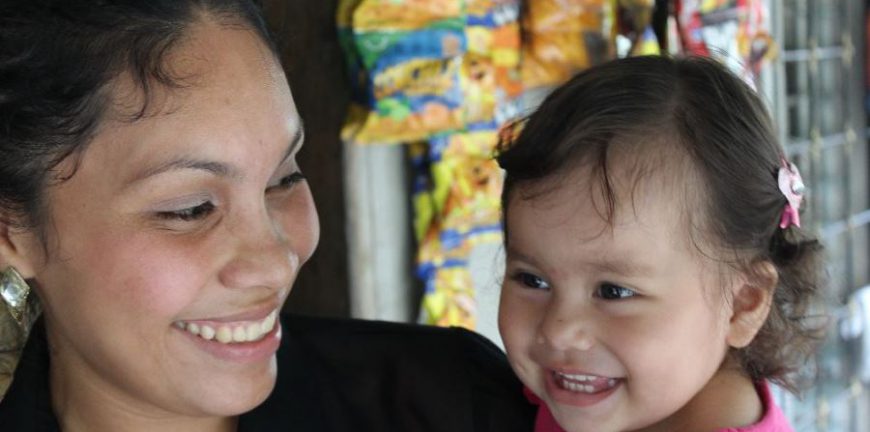
Our clients at Adelante inspire us every day through upholding our values of unity, discipline, hard work, and courage. It… more
UNITY: Training the Trainers
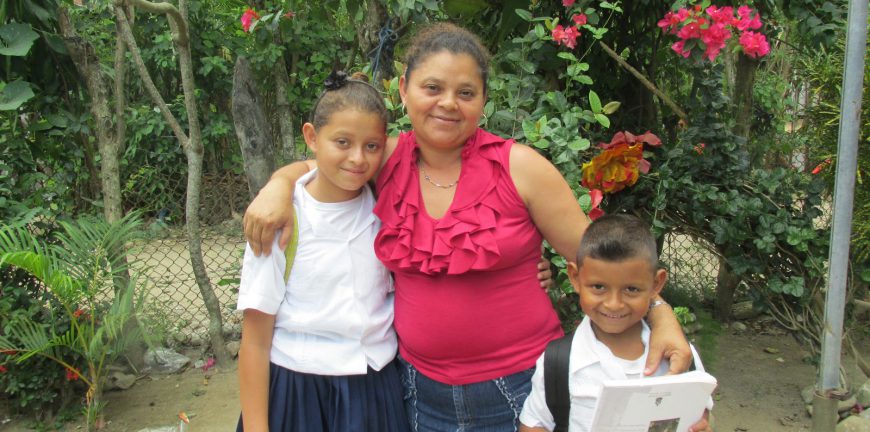
You can’t teach what you don’t know. This is why we invest in our employees with as much care as… more
Chikungunya Can’t Stop Us: A Community Overcomes Illness Together
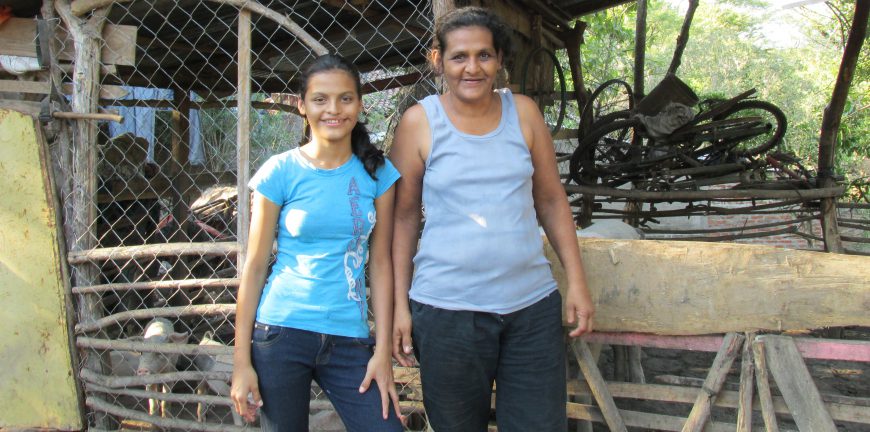
The word chikungunya originates from the Kimakonde language of Tanzania, where the illness was first documented in the early 1950s.… more
Welcoming Back Lisa Green: a Heartfelt Reunion after Six Years
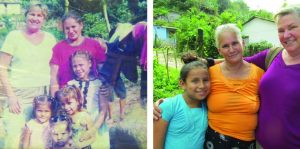
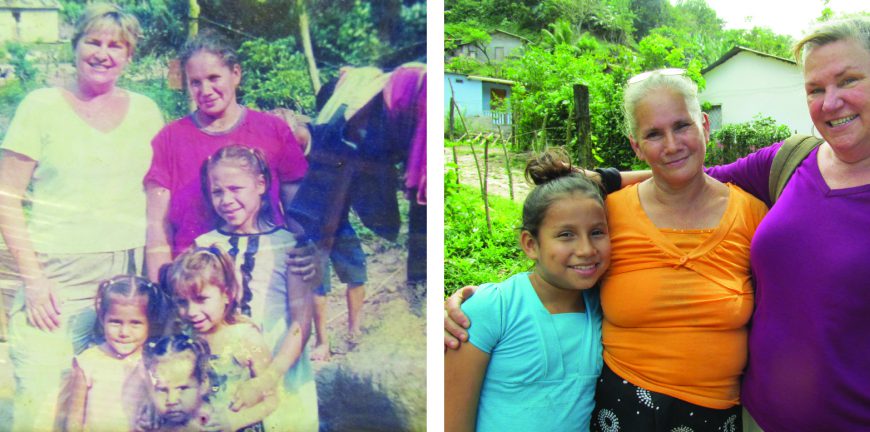
Lisa Green is a certified financial planner who specializes in empowering women through credit access, and is one of the… more
Our Founder’s Reflections: A Special Thanks from Tony Stone
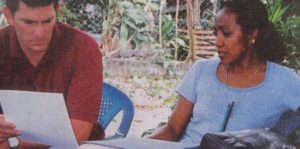
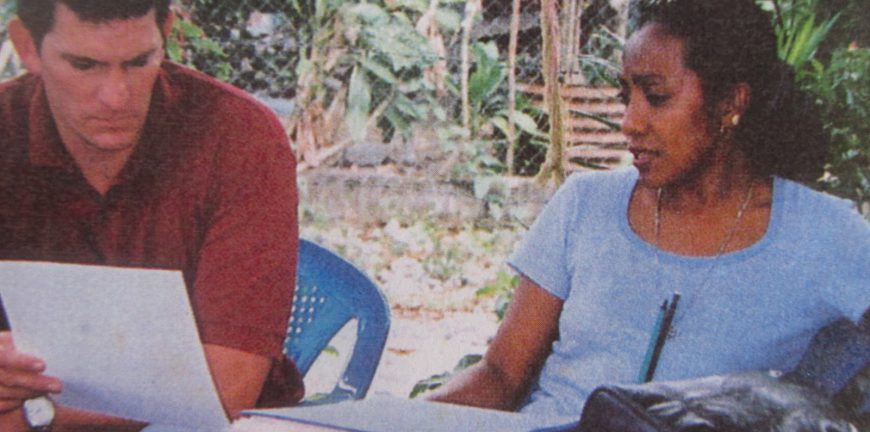
Dear Friends of Adelante, For our 15th year anniversary, I have the opportunity to reflect on the wonderful and rewarding… more
Lasting Impressions from Adelante Women
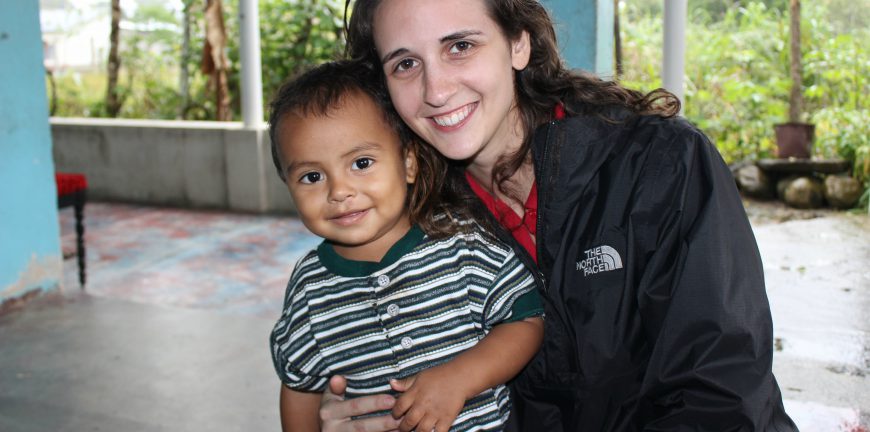
The changes that I’ve witnessed at Adelante since I arrived in 2012 have been astounding: our loan portfolio has diversified… more
In the Face of Drought, She Harvests the Fruits of Her Labor
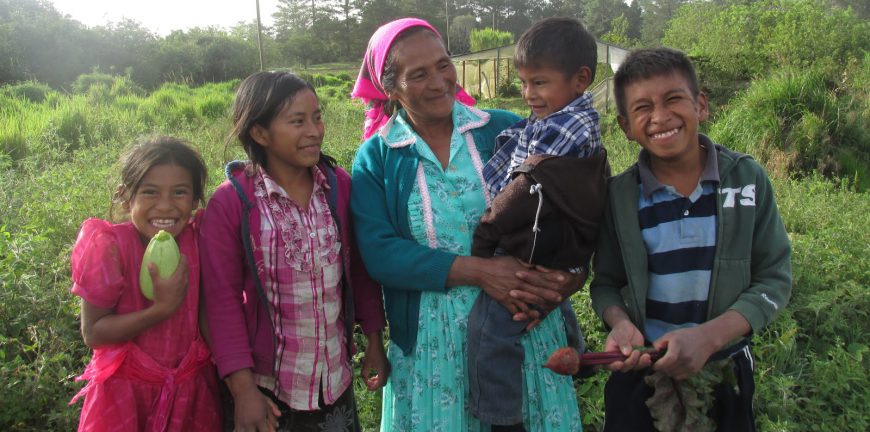
In the last few months Honduras has suffered the most severe drought the nation has faced in the last 50… more
From Bubble Gum Sales to Her Own Restaurant… Celebrating Happiness and Success on International Women’s Day
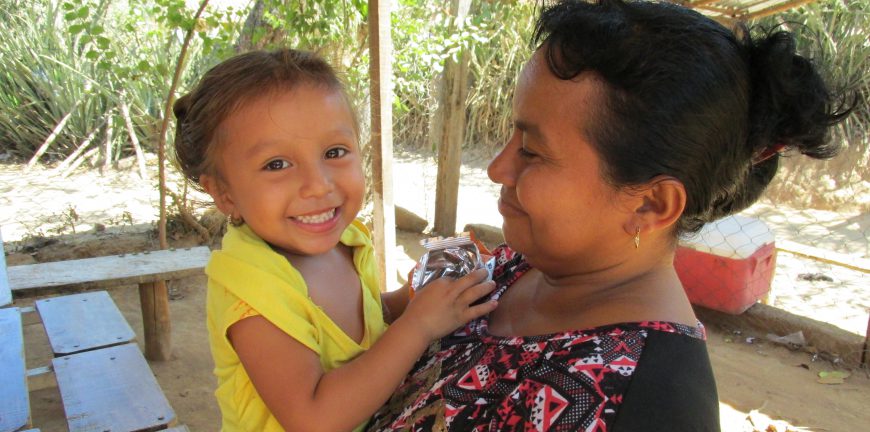
“I love my work. My daughters, my family… All I do is for them,” says Betulia. She lives near the… more
Enrique’s Journey: Hardship and Hope for Honduran Families Who Find Themselves Apart
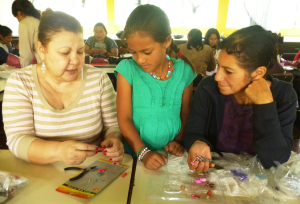
Many of the women that I have met during my travels in Honduras have stories of family disintegration caused by… more
Honoring the Single Mothers of Honduras
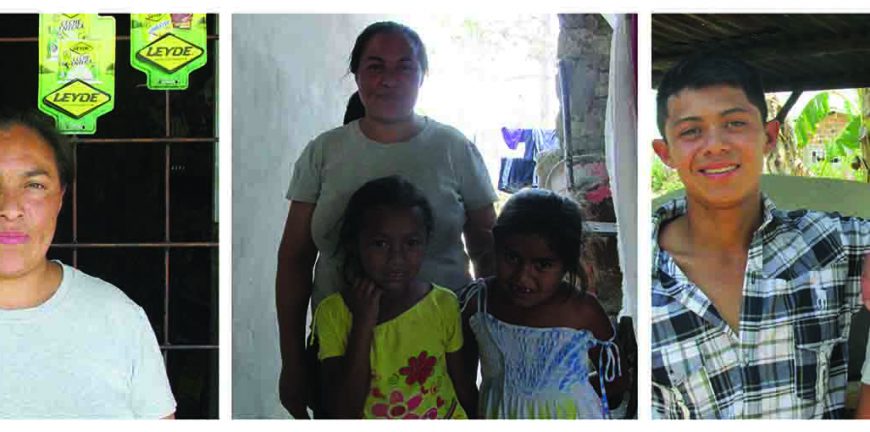
Honduras has been ranked one of the most difficult countries in Latin America to be a mother according to Save… more
For the Love of Cheese, Their Children, & Each Other
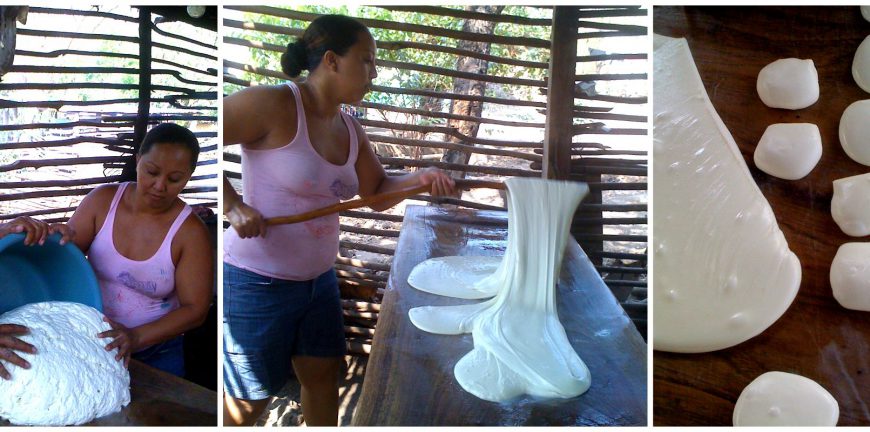
With one of Modesta’s freshly made tortillas, it’s impossible not to fall in love with quesillo. She and her husband,… more
Aunt and Niece Team Up to Better Their Business and Themselves
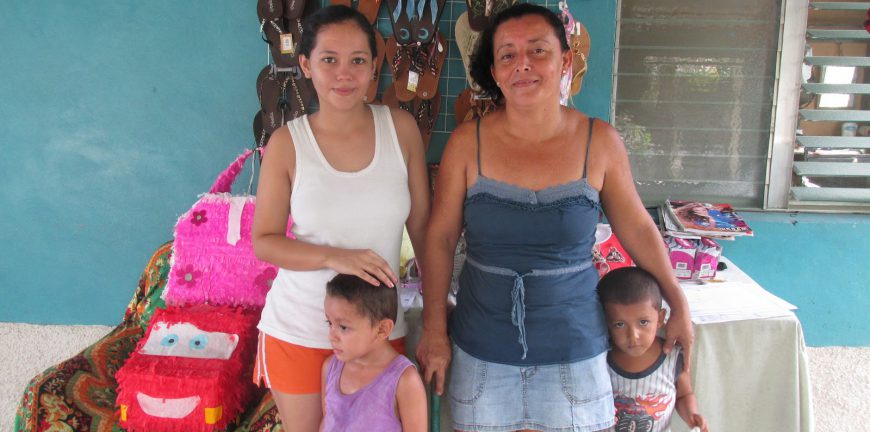
In a small village along the northwest coast of Honduras you can find Waldina, Ana and their nontraditional family striving… more
Creating Her Own Sweet Place in the Job Market
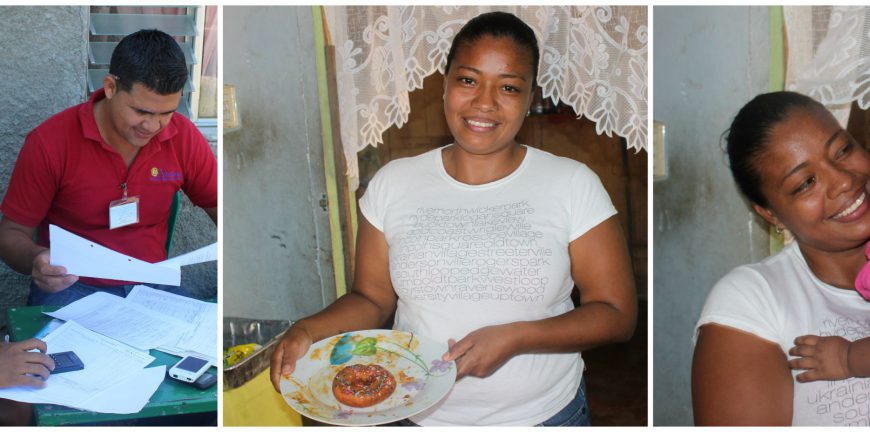
A third of Honduras’ population faces underemployment, materializing in both insufficient job vacancies and underuse of skills. Even for those… more
Flooding the Streets for Justice in Honduras
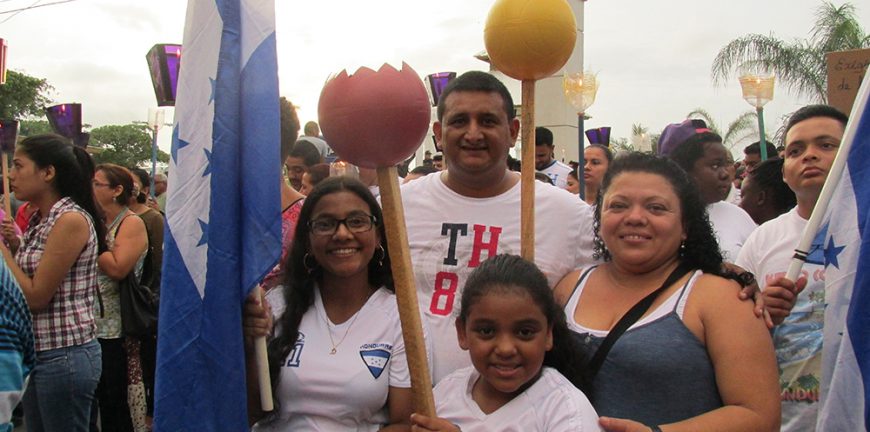
Peaceful marches are transpiring all across Honduras this week to call for justice. Excitement flooded the streets of La Ceiba… more
Empowering Honduran Women to Empower Each Other: “Leaning in” to Equality
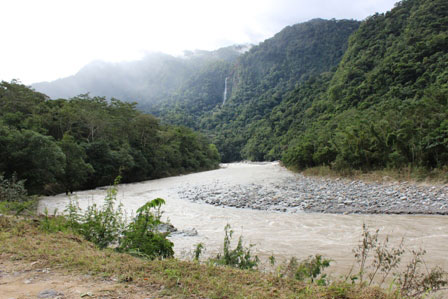
The National Congress of Honduras recently passed new legislation promoting equal pay for men and women performing equal work. Since… more
Three Tips from Entrepreneurs Who Started From Nothing
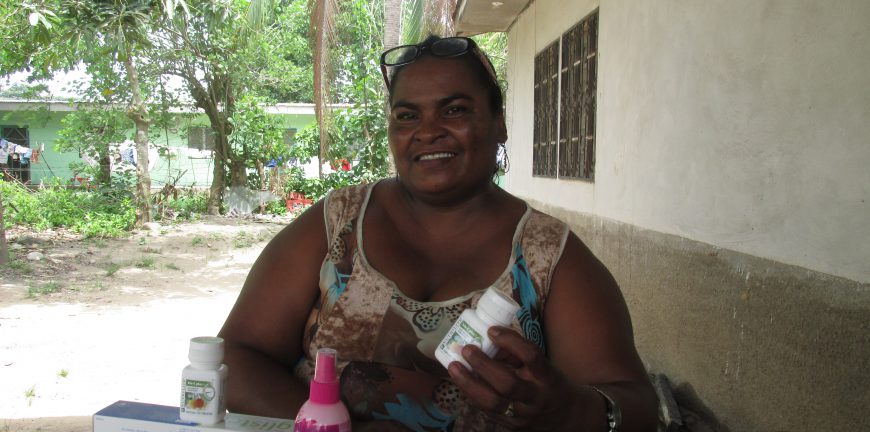
Zulma always brings her products with her… she never knows when she might find a new customer! Launching a business… more
Emotional Intelligence in Action: Taking Skills Learned to the Field
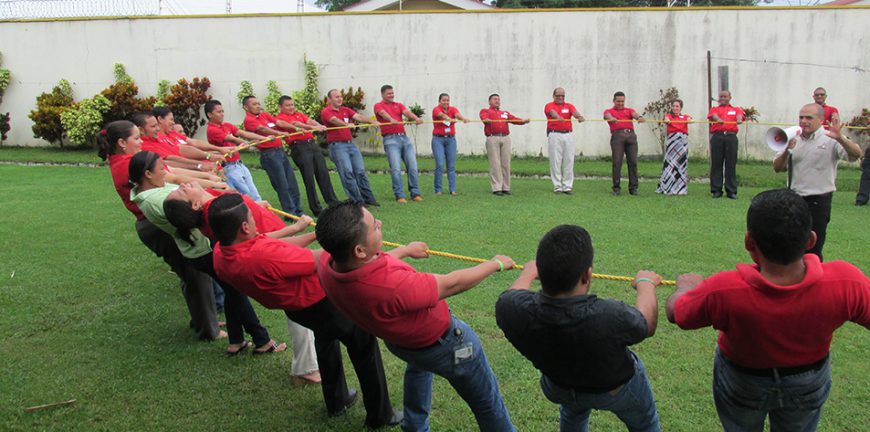
“…I try to make them laugh, which always helps! It’s about being positive and continuing to improve.” – Orlando España,… more
Can Microfinance End Poverty? An Excerpt from a Microfinance Advocate
In a recent RESULTS national conference call, Nicholas Kristof, of the New York Times, opened his comments with the remark… more
April is…the Month of Microfinance
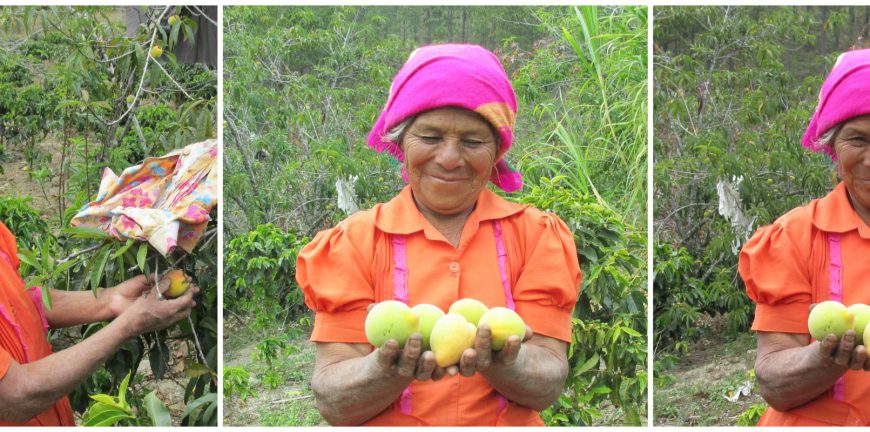
Happy Month of Microfinance! The month of April is being dedicated to client-centered microfinance models. This movement seeks a dialog across… more
Perspectives from the Field
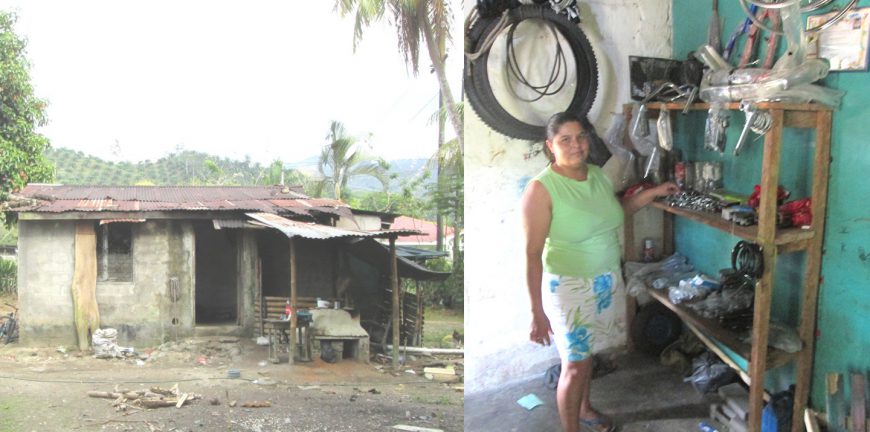
A Guest Post by Bob Sample For the past three years, I have been privileged to serve on the Board… more
The Power of Pineapple Pastries: After Outward Migration, Women of Adelante Piece Their Community Back Together
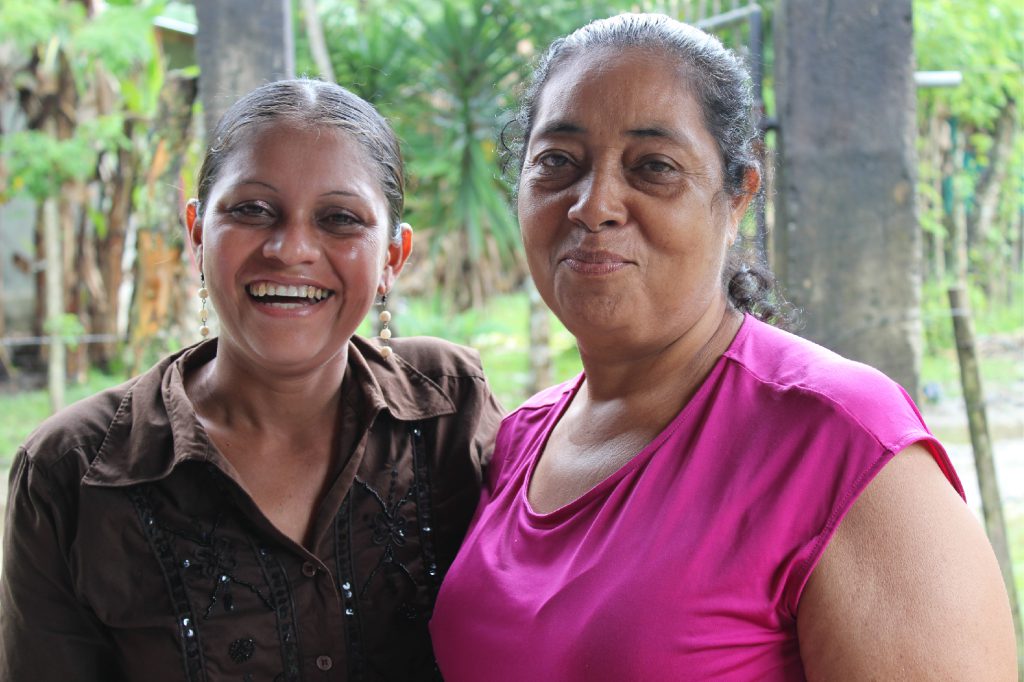
Countless communities in Honduras have been devastated by the great outward migration over the course of this year. Odilia’s community… more
Reflections: Half the Sky


For anyone who keeps up with Nicholas Kristof’s journalism, some of the stories that he brings up in the book… more
Why Opportunity Means Everything to Me
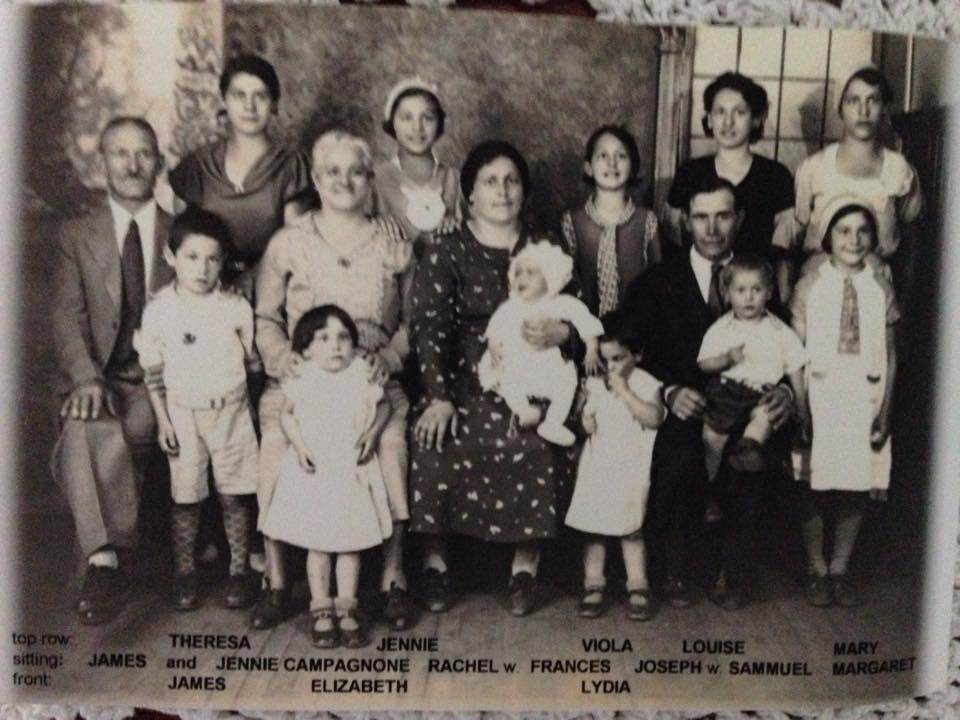
I can think of few authors that could open Adelante’s Book of the Month Club better than Nicholas Kristof and… more
She’s the Boss: Celebrating Honduran Women’s Day with Elena of Adelante
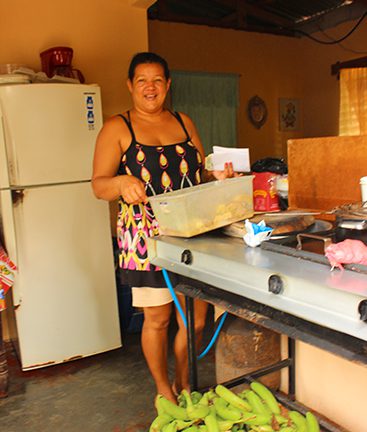
Elena has a laugh so positively joyful that it is impossible not to join in. Her humor and immense spirit… more
A Life Changed Changing the Lives of Others: The Story of an Outstanding Credit Officer
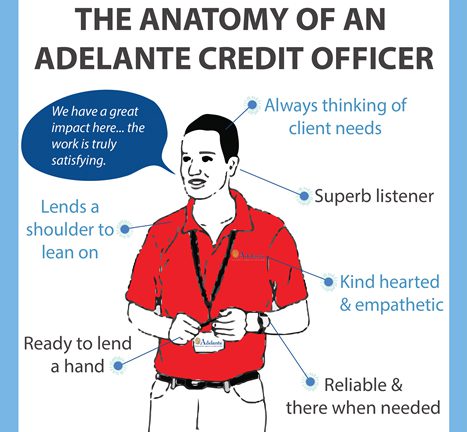
Our Credit Officers are the boots on the ground for Adelante Foundation. They are the field workers who directly serve… more
Marching with a Mission: Breast Cancer Awareness in Honduras
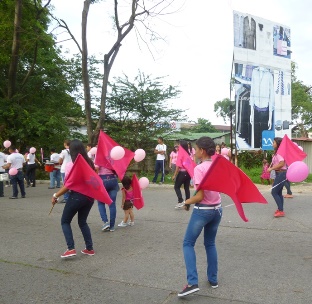
To culminate Breast Cancer Awareness Month, members from our Adelante team joined in the National Committee of Breast Cancer Prevention… more
Celebrating Empowered Women Around the World: Women’s Entrepreneurship Day
Today we celebrate and champion entrepreneurial women like Doña Onis, who are working to provide educational and economic opportunity to… more
When Grandmothers Become Mothers Again
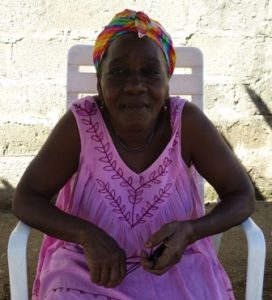
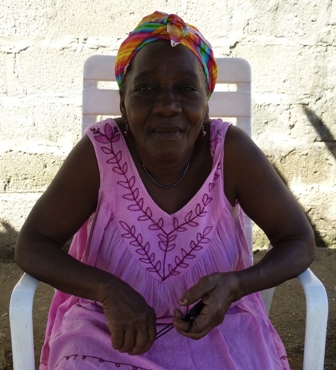
When I ask older clients how many children they have, the answer isn’t always as straightforward as one might expect.… more
Agricultural Finance Launches in Intibucá
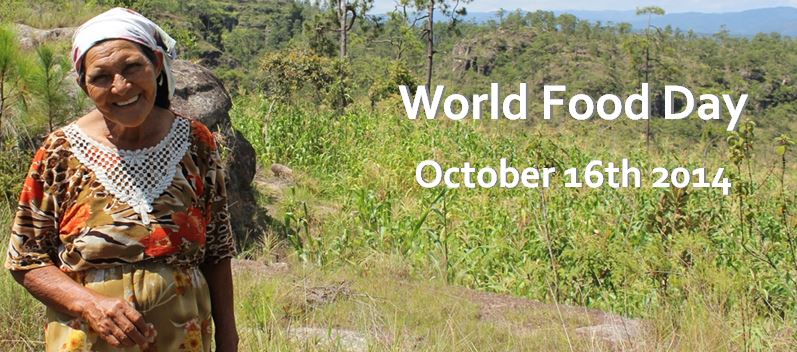
Today, Adelante celebrates World Food Day with the announcement of our new agricultural loan directed to smallholder women farmers in western… more
Children’s Day: Hopes for the Future of Honduras
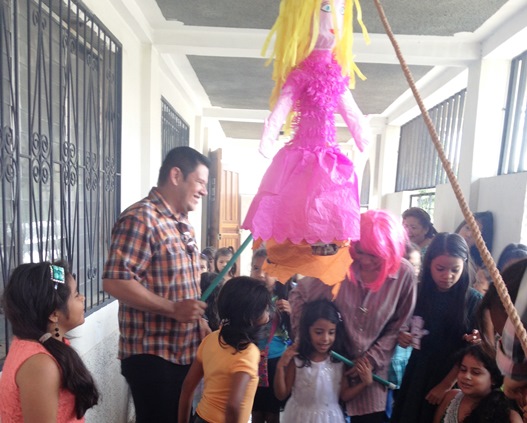
Happy Children’s Day! All this week, celebrations packed with games, gifts, and piñatas swinging from trees can be found at… more
Serving Clients Through Financial Education Lessons
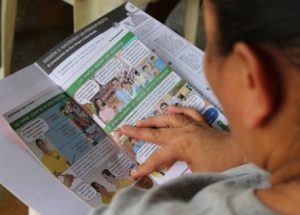
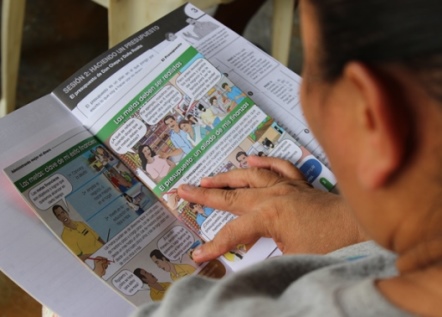
In order to empower Honduran women to make sound business decisions, Adelante is providing financial education lessons to its clients.… more
Not All Flee for Fear
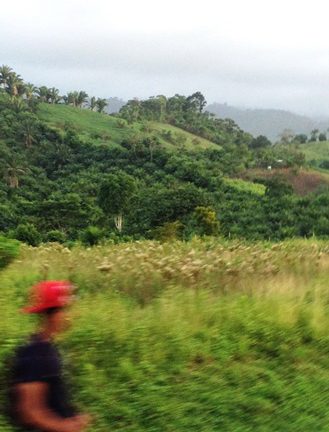
While capturing some of the most perilous quarters of San Pedro Sula, photojournalist Ross McDonnell covers chilling realities afflicting many inner-city… more
To the Field
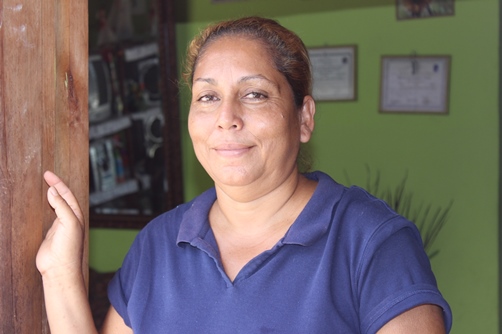
On my first day of field visits, we zoomed down the Pan-American Highway past scenery Hondureño of makeshift homes and… more
Adelante Plans New Educational Product
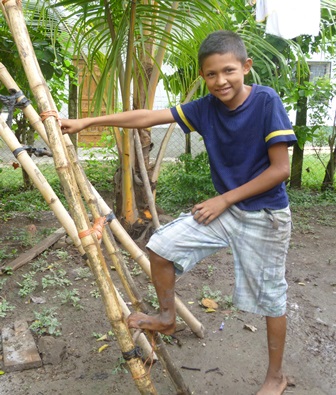
August 2012 I moved to Honduras to work for Adelante as the International Development Coordinator. Eager to enter the workforce… more
Ronaldo: Hope for the Future
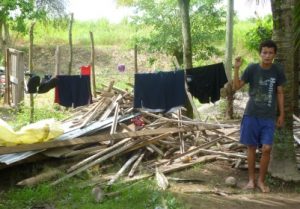
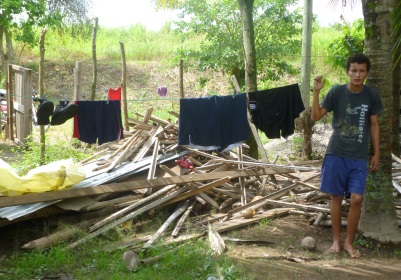
In August we announced a new Secondary Education Loan Product which will be incorporated into our portfolio at the beginning of next… more
Firsts in Honduras
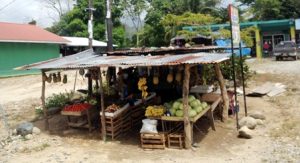
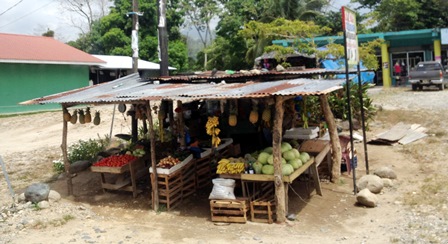
The bus stop at San Pedro Sula was like the inside of a glove compartment on a hot day, teeming… more
Support Secondary Education in Honduras
Investing in the local economy According to a study published by the OECD (Organization for Economic Cooperation and Development), in… more
Gloria’s Story: Breaking the Cycle of Intergenerational Poverty with a New Business
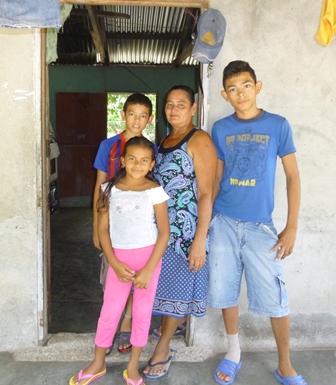
“If we had more money, I would fix up the house. We don’t have enough bedrooms and the [bedroom] walls… more
Eco-stoves in Rural Honduras
This type of landscape is something you certainly won’t see in Texas. It doesn’t take long to learn that life… more
Happy Honduran Women’s Day!
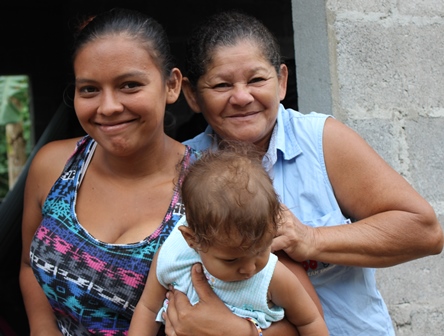
January 25th is officially celebrated to commemorate the Honduran women’s first socio-political feat in 1955. It was this year that the Catrachas (slang for… more
What It Means to Serve Rural Honduran Communities
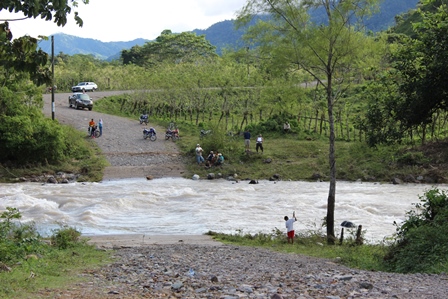
Adelante was founded with the focus of serving impoverished communities in rural, rather than urban areas. The poverty that affects rural parts… more
Adelante Celebrates Thirteen Years in Honduras!
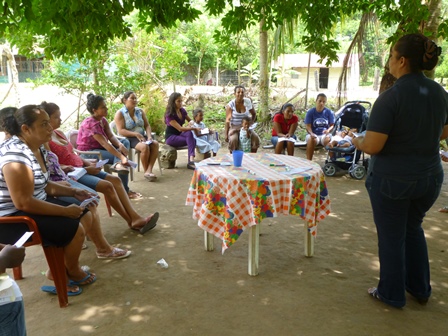
On September 14, 2000, Adelante Foundation disbursed our first loans to women in rural areas outside of La Ceiba. Thirteen… more
“Education is the Only Inheritance That I Can Give to My Children.”
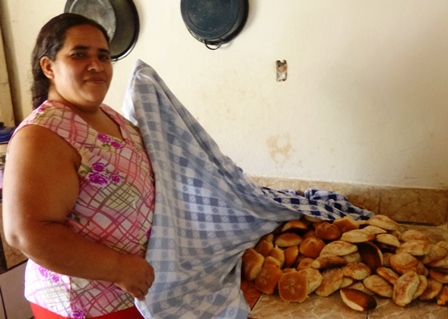
Elsa Marina is a hard working entrepreneurial mother in the department of La Paz who has continued to offer her… more
Crime and Violence Forces Thousands of Central American Unaccompanied Minors to Migrate

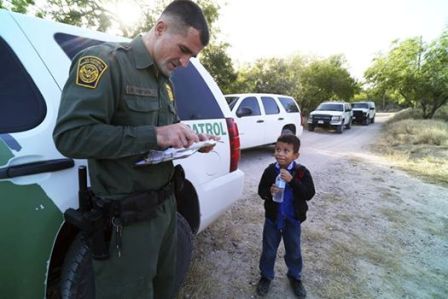
The surge in unaccompanied minors making their way to the United States from Honduras, Guatemala and El Salvador has brought… more
Managing Social Performance to Achieve our Mission
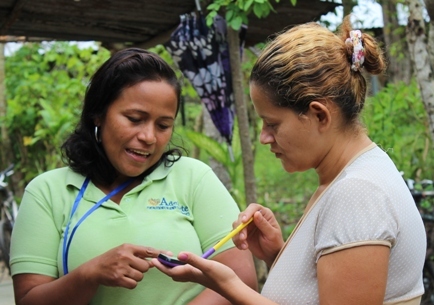
Social Performance. In microfinance, you hear this term quite a bit these days. From the SMART Campaign, the Social Performance Task Force, Truelift… more
Honduras’ Security Problem
The surge in unaccompanied minors making their way to the United States from Honduras, Guatemala and El Salvador has brought… more
Misconceptions About Poverty

Poverty: This is a word that each person defines differently. We are often found guilty of associating the word with… more
Consuelo: A Story of Immense Personal Strength
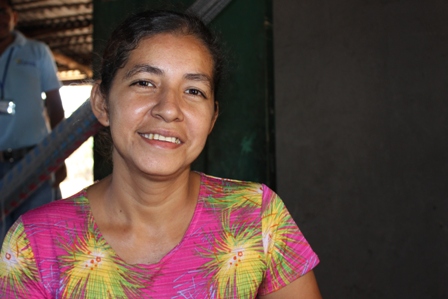
Last week I had my first field visit to Choluteca, Honduras- the place I like to call the Texas of… more
My First Discoveries in Honduras
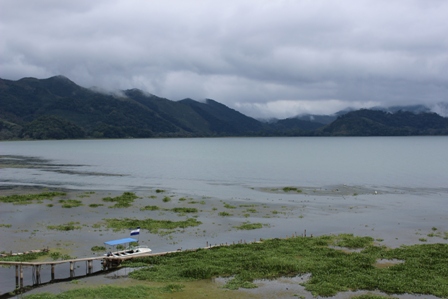
After being in Honduras for almost three weeks, I have found that the country is very different from what I… more
A Tragic Fire in Roatán
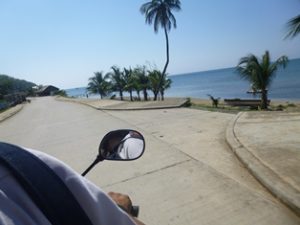
Roatán receives thousands of tourists each year but the island’s largest peak season is now, with Semana Santa (Holy Week)… more
Adelante Partners with Marie Stopes to Offer Reproductive Health Workshop
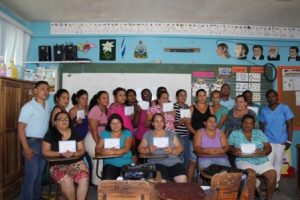
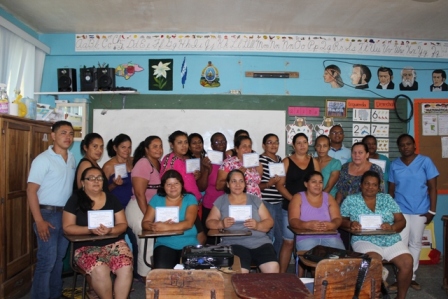
At the end of March, Adelante and Marie Stopes Honduras held a health workshop for the clients in Puerto Cortes.… more
A Grateful Goodbye: Closing thoughts from an intern
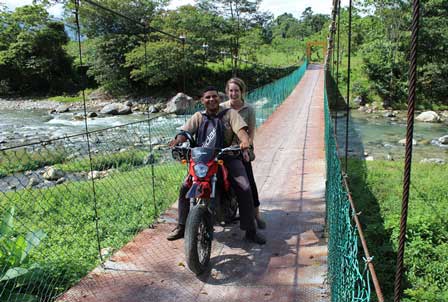
They say that the realization of gratitude increases happiness. As I reflect back on the last six months of my… more
Microfinance Along Honduras’ Northern Coast
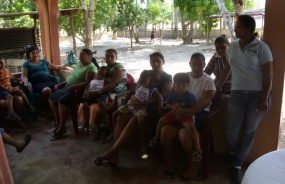
Having now interviewed several dozens of female clients near La Ceiba and Olanchito, I am getting a better picture of… more
Meet a Longtime and Determined Client from Atlántida
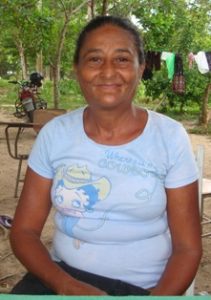
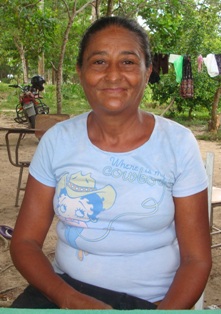
Aida has been with Adelante for five years now and has been happy to slowly increase her loan amounts over the course… more
Economic Interdependence in Rural Communities Outside Trujillo
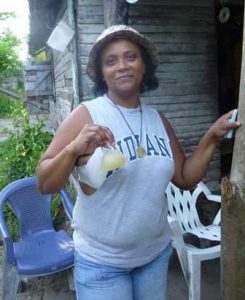
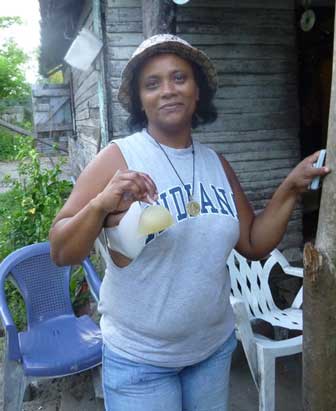
The smell of fresh bread is in the air and Maira is hard at work producing more! Maira makes her… more
Fulfilling Dreams of a Better Home and Business
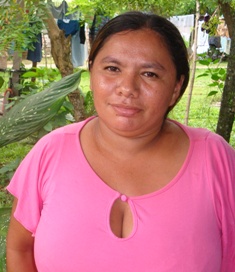
Carmen is a client from the department of Atlántida who bakes bread and pastries for a living, a business that she has… more
Adelante Entrepreneur Uses Profits to Improve Her Family’s Living Conditions
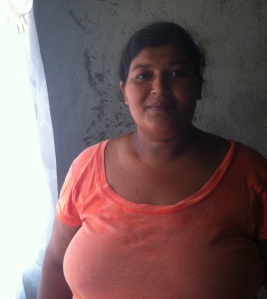
Glenis is an Adelante client from a small rural community in Colon. For her assembly’s bi-monthly assembly meetings, Glenis’ house… more
Erika: One New Client’s Bright Young Daughter
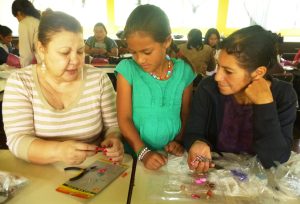
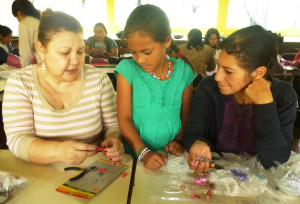
I met Erika during our Jewelry Making Workshop in Intibucá during October, our most recent offering from our Product Innovation Workshops. At… more
African Heritage Month in Honduras


In Honduras, the month of April has been named the month of African Heritage. The legislative decree 330-2002 calls for… more
Innovative Solutions out of Poverty
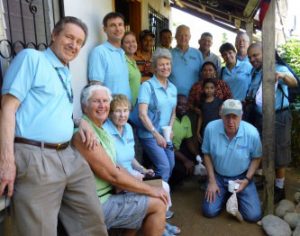
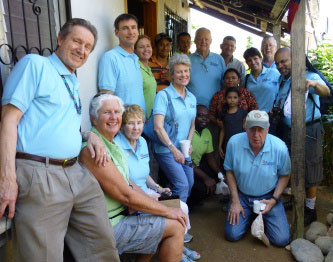
Last month, Adelante’s Board got a chance to visit a few clients of ours outside of La Ceiba. Not only did they get… more
Integrating Alternative Financial Services for Greater Impact
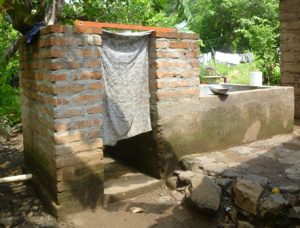
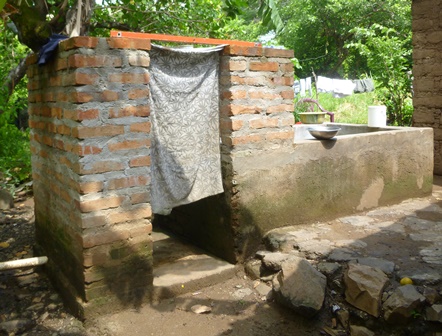
Earlier this month I wrote about the importance and hardships of pursuing a hygienic living environment for rural Honduran families in Choluteca and how… more
Assembly Meetings Offer More than Education
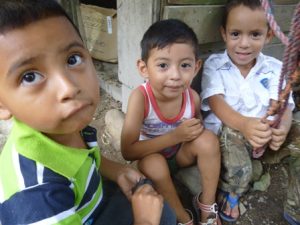
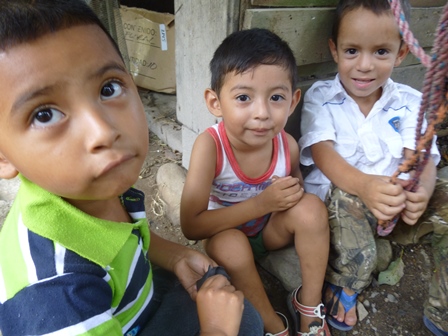
As one of two new Development Interns in Adelante’s La Ceiba Headquarters, I recently ventured out to La Masica, Atlántida for my… more
First Impressions From the Field
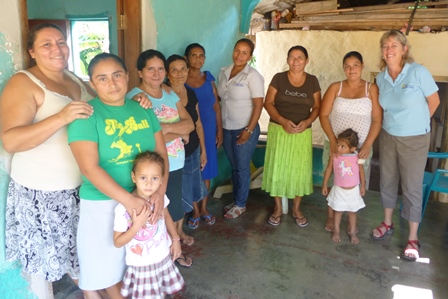
“Unity, discipline, hard work and courage – This is our way of life.” With this lively introduction to my first… more
Holiday Preparations in Intibucá
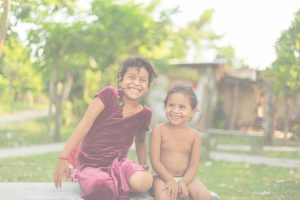
The twin cities of La Esperanza and Intibucá were already in full holiday swing last week. With many locals, I… more
Young Motherhood in Cortés, Honduras
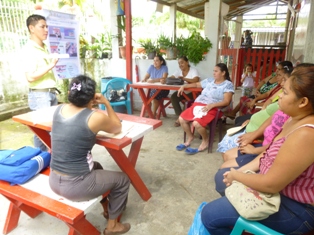
When meeting someone here for the first time, two of the first questions that are typically asked of me are… more
Product Innovation with a Local Business
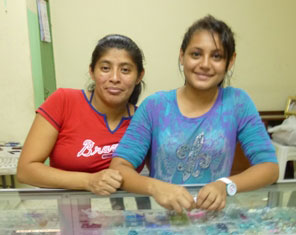
Cositas is a small store in El Progreso, Yoro that sells materials and accessories for jewelry making. Just a few… more
Happy Three Years to One of Our Best!
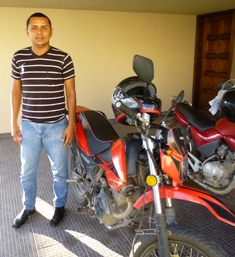
This month we would like to introduce you to Gabriel Gomez, our 2012 recipient of the “Best Credit Officer” award.… more
Julieta Castellanos Receives Women of Courage Award

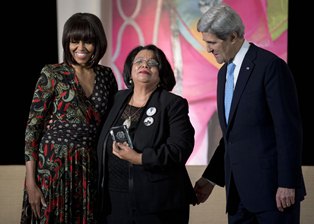
Last Friday, Adelante celebrated International Women’s Day with our female main office staff and a group of ceibeña women looking… more
Hygiene Education in Choluteca: Education Tailored to Our Clients’ Needs
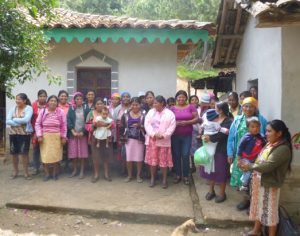
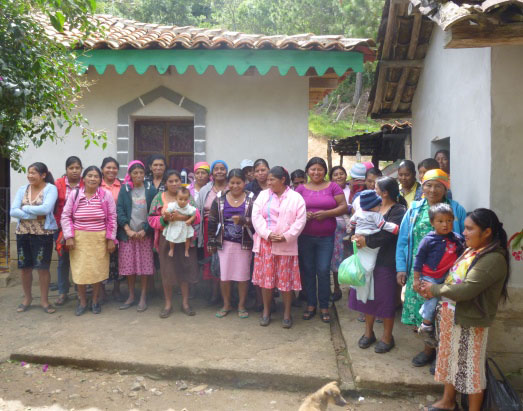
It’s no secret that the world’s poor lack many things. Access to suitable housing, sufficient and nutritious food, clean water,… more
In the Field with Adelante’s General Manager
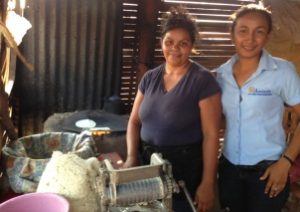
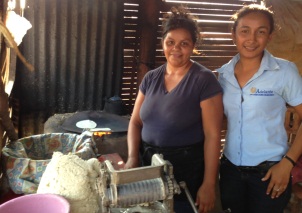
I recently visited a rural area outside the city of Choluteca where we are opening a new assembly. Three of… more
The Multiplier Effect: Why Investing in Women is the Most Effective Means of Sustainable Development
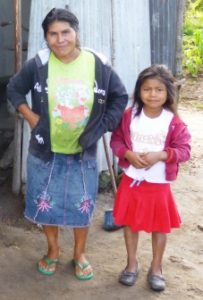
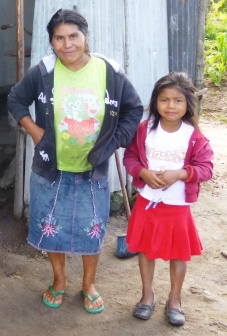
Between living within a machista Honduran society and working for a women-oriented microfinance institution, I have found myself leaning more… more
Agriculture Workshops in Intibuca
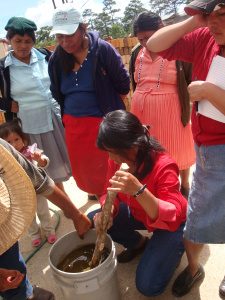
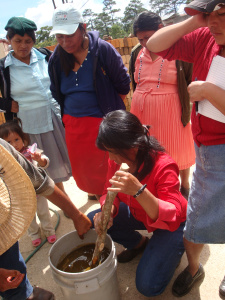
In the Western region of Honduras known as the Lenca Corridor, extreme poverty is widespread. As part of Adelante’s Education Program, women from… more
Business Education in Olanchito
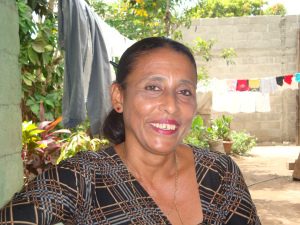
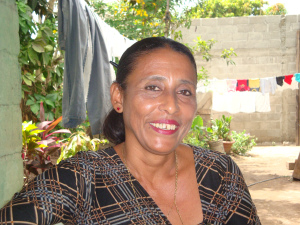
At bi-monthly assembly meetings, Adelante clients receive the support they need to succeed in their micro businesses. A fundamental part… more
A Spotlight on Small Business Education
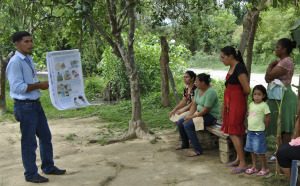
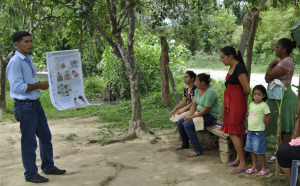
Did you know that education is an integral part of our loan program? We’re well known for granting short-term loans to… more
Heavy Rains and Hurricanes’ Impacts in Honduras and New York
Marta Rosa is a new client from Choluteca on her first loan cycle. She became a part of Adelante to increase production of enchiladas… more